
Planning a landscaping renovation in Reno takes more than picking out a few plants and hoping for the best. Northern Nevada's high desert climate brings real challenges: long stretches of summer heat, drought-prone soil, and winters that can stress plants not suited to the region. The good news is that a thoughtful plan built around smart irrigation, functional outdoor spaces, and honest maintenance expectations can make your yard work with the environment instead of against it. This guide walks through the key steps that help Reno homeowners create outdoor spaces they will genuinely use and enjoy for years.
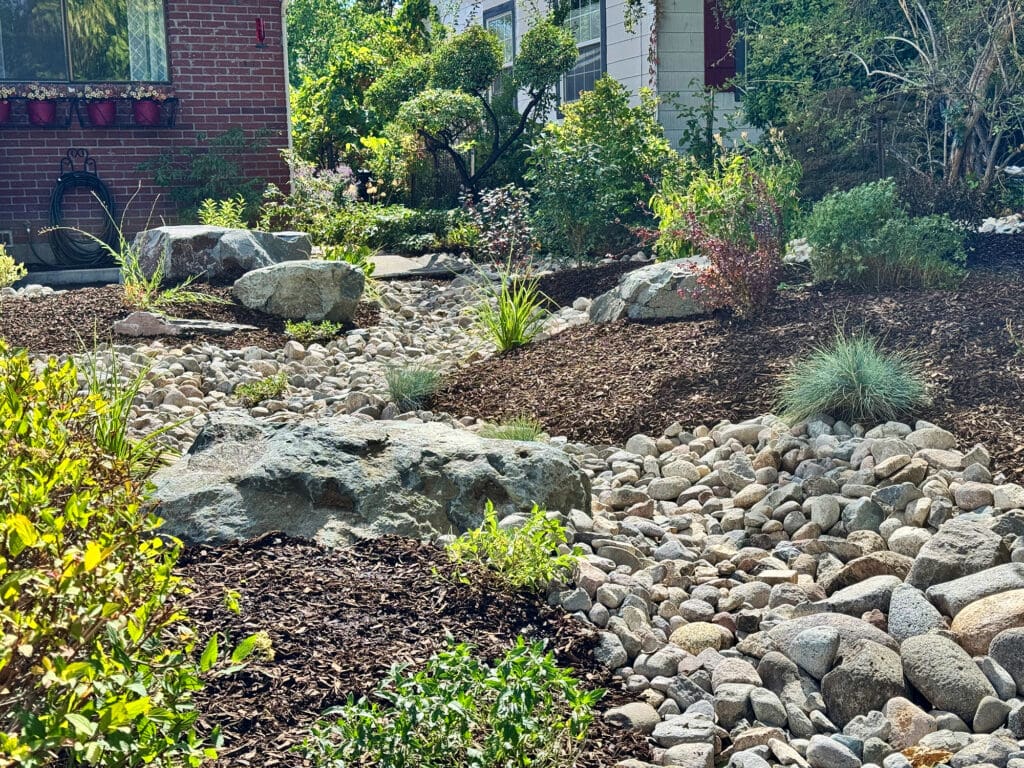
The first step in any landscaping reno project is a thorough site assessment of your own yard. Walk the space at different times of day to observe where sun hits, where shade falls, and how water moves across your property after a rain. Take note of slope, soil composition, and any existing plants or structures that could factor into your design. Understanding what you are starting with gives you a realistic foundation before any decisions about plants, hardscape, or irrigation systems get made. That kind of honest baseline saves money and prevents redesigns down the road.
Your personal goals matter just as much as your site conditions when mapping out a renovation. Think carefully about how you actually want to use your outdoor space before committing to a design direction. Do you want a shaded patio for summer evenings, a low-maintenance xeriscape in the front yard, or a naturalistic garden that draws birds and pollinators? Defining those goals early helps every downstream decision feel purposeful rather than reactive. A clear vision also makes it easier to phase your project so costs stay manageable without losing sight of the bigger picture.
Once you have a sense of your goals and site conditions, building a realistic budget becomes the next priority. Landscape professionals generally recommend setting aside an additional 10 to 15 percent beyond your core estimate for unexpected discoveries or material changes that come up during installation. Working with a full-service landscape company in Reno means hardscape, irrigation, planting, and design can be handled through a single coordinated process rather than managing several contractors separately. That kind of coordination reduces both cost overruns and timeline surprises, especially on more complex projects.
Native plants adapted to Northern Nevada's climate offer some of the most practical benefits for any landscaping reno project. They have evolved to handle Reno's rainfall patterns, temperature swings, and rocky, alkaline soils without needing constant intervention from you. Once established, native species typically require significantly less irrigation than non-native ornamentals, which directly reduces your water bill over time. They also support local pollinators, birds, and other wildlife in ways that imported plants often cannot match. Selecting natives is one of the most effective decisions you can make when sustainability and low maintenance are both priorities.
Grouping plants with similar irrigation needs is a foundational principle of efficient landscape design, and it pays off quickly. When plants with high water demands share a zone with drought-tolerant species, one group is always either overwatered or underwatered. Organizing your plant palette into hydrozones allows your irrigation system to deliver the right amount of water to each area without waste. This approach also simplifies your seasonal maintenance routine because you manage zones with consistent needs rather than tracking individual plants across the yard. A well-designed hydrozone layout works directly in tandem with drip irrigation to keep both your plants and your water usage in a healthy range.
Popular plant choices for Reno yards include species like Desert Sage, Penstemon, and low-water perennials that deliver color and texture with minimal ongoing care. Hardy shrubs and ornamental grasses provide structure through the winter months when other plants go dormant. Pairing groundcovers like Creeping Myoporum with taller accent plants creates a layered, naturalistic look that stays attractive across multiple seasons. The key is building a mix of species that complement each other visually while also sharing similar care requirements. A certified nurseryman or landscape designer familiar with Reno's USDA hardiness zones can help you build a plant list that will actually perform well in your specific yard.
Tree placement plays a significant role in the long-term character of your landscape, and Reno has specific regulations that govern where and how trees get planted. The city's Land Development Code requires one tree for every 300 square feet of front yard landscaping in nonresidential districts, and at least 50 percent of required trees must be evergreen species. Residential projects may have different thresholds, but understanding the applicable rules before finalizing your design prevents compliance issues after installation is complete. Consulting with a professional landscaper familiar with local code requirements helps you plan tree placement that meets both your aesthetic goals and city standards. Getting this right early avoids costly corrections later.
Choosing the right tree species for Reno's climate is just as important as meeting the numerical requirements. Some trees that look appealing at the nursery are poorly suited to the region's alkaline soils, extreme temperature swings, or limited water availability. Evergreen species that hold up through Reno winters while providing summer shade offer real functional value in addition to satisfying code requirements. Deciduous trees positioned on the south and west sides of a home can reduce cooling loads during summer while still allowing winter sun to reach the house after they drop their leaves. Matching species to site conditions from the start reduces the risk of losing trees to stress within the first few seasons.
Proper planting depth, soil amendment, and irrigation setup all influence how well newly planted trees establish in Reno's challenging soil. Most trees benefit from a generous watering basin and a dedicated drip irrigation emitter during the first two to three growing seasons after planting. Mulching around the base helps retain soil moisture, moderate soil temperature, and suppress weeds that compete with young root systems for nutrients. Avoiding deep planting mistakes at installation is critical because trees planted too deep often develop root rot or girdling roots over time. Getting the installation details right from the beginning costs far less than removing and replacing a struggling tree a few years later.
Not every landscaping project in Reno requires a permit, but significant changes involving hardscape, irrigation infrastructure, or structural additions often do. Skipping the permit research phase can result in costly corrections, delays, or fines that disrupt an otherwise smooth project timeline. The City of Reno's planning and building departments provide guidance on what triggers a permit requirement, and checking with them early in your process is always worth the time. Projects involving grading, drainage changes, or installations like pergolas or retaining elements are especially likely to fall under permit requirements. Starting that process early keeps your overall project timeline on track from the beginning.
Irrigation systems that connect to your home's main water supply may require inspections to verify backflow prevention and proper installation standards. These regulations exist to protect the municipal water supply from contamination that could result from a malfunctioning system. Working with a licensed and bonded landscaping contractor in Reno ensures your irrigation installation meets local code requirements and passes inspection without complications. Licensed contractors also carry the liability coverage necessary to protect your property during the entire installation process. Verifying contractor credentials before any work begins is a simple step that provides real protection for you as the homeowner.
Phasing your project with permits and inspections built into the timeline is a practical way to manage both compliance and budget without feeling overwhelmed. Many homeowners choose to install hardscape elements first, then move into planting and irrigation in a second phase once structural work passes inspection. This sequencing prevents the common mistake of planting in areas that later need to be disturbed for grading or drainage corrections. A professional landscape company familiar with Reno's permitting process can help you map out a phased plan that fits both your goals and your budget. Knowing the rules before you break ground eliminates one of the most avoidable sources of project stress.
A successful landscaping reno brings together site assessment, smart plant choices, tree planning, code compliance, and a realistic maintenance plan into one cohesive design. Each of the elements covered here builds on the others, and skipping any one of them tends to create problems that are harder to fix after installation than before it. Working through the planning process carefully, especially in a climate as demanding as Northern Nevada's, pays off in the form of a yard that stays healthy and attractive without constant intervention. The goal is a space that looks and functions just as well in year five as it does the week installation wraps up.
Little City Landscape has served Reno and Sparks homeowners for over 40 years, bringing design expertise, certified nursery knowledge, and a full range of services together under one team. From custom hardscape and paver work to irrigation installation, sustainable planting, and quarterly maintenance, the approach covers every phase of a landscaping project from first drawing to finished yard. Designer Kirk Barlow works with each homeowner to develop a plan that fits their property, their lifestyle, and the specific demands of Northern Nevada's climate. Reach out to Little City Landscape today at littlecitylandscapereno.com to schedule a consultation and get a packaged design and installation estimate tailored to your space.
I talk with homeowners every week who feel nervous about their trees, especially when wind picks up or wet snow hits. Many people want to handle tree trimming themselves, and I understand why, because a few cuts can look simple from the ground. In Reno’s high desert, though, the wrong cut at the wrong time can change how a tree grows for years. When I look at a property, I focus on safety, longevity, and fire awareness, because improper trimming creates problems that cost more to fix later.
Reno’s climate puts stress on trees in ways many homeowners do not expect. I see intense sun, low humidity, temperature swings, and drought conditions that all affect how a tree responds after pruning. When someone removes too much canopy or makes poor structural cuts, the tree loses stored energy and struggles to recover. That stress often shows up as dieback, pest pressure, and weak regrowth that breaks more easily. Tree trimming needs to support the tree’s natural defenses, not reduce them.
I also consider fire risk when I evaluate tree trimming in Reno. Improper pruning can leave dead material, create dense ladder fuels, and encourage weak shoots that dry out quickly. Trees that grow over roofs, fences, or other structures can carry embers and heat closer to your home during wildfire season. When homeowners delay trimming for too long, they often end up removing larger branches, which creates bigger wounds and slower healing. A better plan uses preventive trimming on a schedule that keeps trees healthy and reduces hazards.
Tree lifespan depends on consistent, thoughtful pruning rather than occasional heavy cutting. I see many trees that could have lasted decades longer if someone kept their structure balanced early on. Large wounds invite decay, and repeated stress pushes a tree toward decline faster in high desert conditions. Windstorms then expose weak branch unions and poor weight distribution, which turns a tree into a safety concern. A licensed landscape contractor can manage tree trimming with the full property in mind, including defensible spacing, clearance, and long-term form.
I hear people say they want to “bring the tree down” like they would trim a shrub, and that mindset causes major mistakes. Structural pruning works with branch selection, attachment angles, and weight distribution so the tree stays stable as it grows. Cutting height without understanding structure often removes the wrong leaders and forces the tree to respond with fast, weak regrowth. That regrowth can create a thicker, more hazardous canopy over time. Tree trimming should shape the tree’s framework, not fight it.
Topping remains one of the most damaging practices I see. When someone cuts the main trunk or large leaders flat across, the tree reacts by sending out multiple shoots near the cut. Those shoots attach poorly, grow quickly, and break more easily during wind or snow. The tree also loses a large portion of its leaf area, which reduces energy production and increases stress. Over time, topping can lead to decay inside the cut area and shorten the tree’s functional life.
I approach tree trimming by identifying strong scaffold branches and keeping a clear, stable structure. I look for crossing limbs, competing leaders, and branches that create weight far from the trunk. I also check clearance over roofs, driveways, and parked cars, because overhang creates risk when branches fail. A skilled landscape team can remove and reduce branches strategically, which keeps the canopy healthier while still controlling size. When you want a tree to fit your yard long term, structure matters more than a quick height reduction.
Many homeowners think thinning always helps, especially if the tree looks dense. In Reno, over thinning can expose inner bark and major limbs to direct sun they never had to handle before. That sudden exposure often causes sun-scald, which damages tissue and creates entry points for pests and disease. The tree then spends energy trying to repair damage instead of maintaining healthy growth. Tree trimming should never remove so much canopy that the tree loses its natural protection.
I see over thinning happen most often during summer heat, which makes the outcome worse. When you remove too many leaves, the tree cannot regulate temperature or manage water use as effectively. The root system still needs moisture, but the tree has less canopy to support normal function and recovery. In drought conditions, that stress can push a tree into decline, even if it looked strong before. Reno’s elevation and sun intensity make this mistake more costly than many people realize.
Good tree trimming keeps enough canopy to shade the trunk and main limbs while improving airflow and structure. I focus on selective cuts rather than stripping out large sections of foliage. I also avoid creating “lion tails,” where interior branches disappear and weight shifts to the tips. That pattern increases breakage and makes the tree less stable in wind. An experienced landscape contractor can time pruning correctly and remove the right branches so the tree stays protected and resilient.
I often see young trees left alone for years because they look fine and seem low risk. The problem is that early growth sets the structure for the rest of the tree’s life. When no one guides that structure, the tree can develop tight branch angles and weak unions that split under load. Wet snow and wind then exploit those weaknesses, and the tree can fail suddenly. Tree trimming should start early enough to prevent those issues rather than reacting after damage.
Poor early structure also creates imbalance that becomes harder to correct later. One side of the canopy can grow heavier, pull the trunk, and place stress on branch attachments. As the tree matures, corrective cuts become larger and more stressful, and the tree needs more time to recover. Homeowners then face bigger safety concerns near roofs, fences, power lines, and vehicles. A proactive trimming plan keeps the tree balanced so it grows into its space safely.
I recommend routine, moderate pruning that supports a strong central leader or a stable multi-leader form when appropriate. I remove competing leaders, reduce crossing branches, and keep scaffold spacing that distributes weight. I also plan for clearance and defensible spacing, because a tree that grows into structures creates avoidable risk. Little City Landscape handles tree trimming with a preventive mindset, which helps you protect your home and extend the life of your trees. When you feel unsure about what your trees should look like, that uneasiness often signals a good time to bring in a licensed landscape contractor.
I want your trees to stay healthy, stable, and safe through Reno’s wind, sun, and winter storms. The biggest mistakes I see come from topping, over thinning, ignoring young-tree structure, and waiting too long between trims. Those choices weaken trees, increase fire concerns, and create hazards over roofs, cars, and walkways. If you feel unsure about how to trim without causing long-term damage, you do not need to guess. Contact Little City Landscape to schedule a tree trimming assessment, and get a preventive plan that keeps your landscape safer and stronger year after year.