
Planning a landscaping renovation in Reno takes more than picking out a few plants and hoping for the best. Northern Nevada's high desert climate brings real challenges: long stretches of summer heat, drought-prone soil, and winters that can stress plants not suited to the region. The good news is that a thoughtful plan built around smart irrigation, functional outdoor spaces, and honest maintenance expectations can make your yard work with the environment instead of against it. This guide walks through the key steps that help Reno homeowners create outdoor spaces they will genuinely use and enjoy for years.
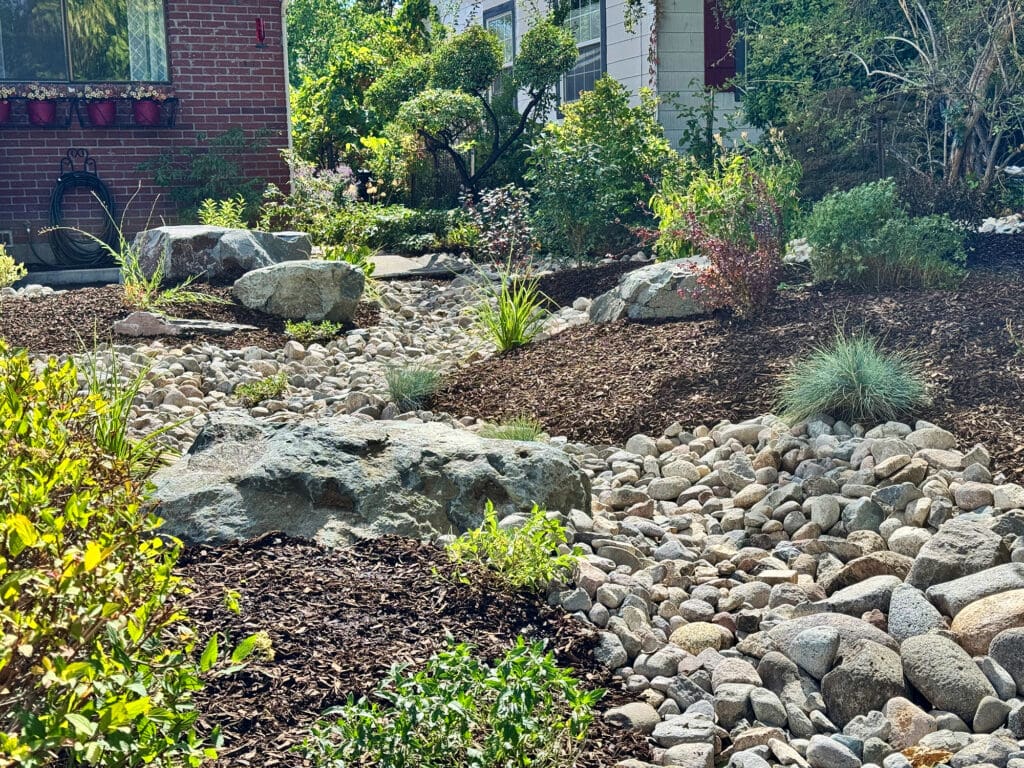
The first step in any landscaping reno project is a thorough site assessment of your own yard. Walk the space at different times of day to observe where sun hits, where shade falls, and how water moves across your property after a rain. Take note of slope, soil composition, and any existing plants or structures that could factor into your design. Understanding what you are starting with gives you a realistic foundation before any decisions about plants, hardscape, or irrigation systems get made. That kind of honest baseline saves money and prevents redesigns down the road.
Your personal goals matter just as much as your site conditions when mapping out a renovation. Think carefully about how you actually want to use your outdoor space before committing to a design direction. Do you want a shaded patio for summer evenings, a low-maintenance xeriscape in the front yard, or a naturalistic garden that draws birds and pollinators? Defining those goals early helps every downstream decision feel purposeful rather than reactive. A clear vision also makes it easier to phase your project so costs stay manageable without losing sight of the bigger picture.
Once you have a sense of your goals and site conditions, building a realistic budget becomes the next priority. Landscape professionals generally recommend setting aside an additional 10 to 15 percent beyond your core estimate for unexpected discoveries or material changes that come up during installation. Working with a full-service landscape company in Reno means hardscape, irrigation, planting, and design can be handled through a single coordinated process rather than managing several contractors separately. That kind of coordination reduces both cost overruns and timeline surprises, especially on more complex projects.
Native plants adapted to Northern Nevada's climate offer some of the most practical benefits for any landscaping reno project. They have evolved to handle Reno's rainfall patterns, temperature swings, and rocky, alkaline soils without needing constant intervention from you. Once established, native species typically require significantly less irrigation than non-native ornamentals, which directly reduces your water bill over time. They also support local pollinators, birds, and other wildlife in ways that imported plants often cannot match. Selecting natives is one of the most effective decisions you can make when sustainability and low maintenance are both priorities.
Grouping plants with similar irrigation needs is a foundational principle of efficient landscape design, and it pays off quickly. When plants with high water demands share a zone with drought-tolerant species, one group is always either overwatered or underwatered. Organizing your plant palette into hydrozones allows your irrigation system to deliver the right amount of water to each area without waste. This approach also simplifies your seasonal maintenance routine because you manage zones with consistent needs rather than tracking individual plants across the yard. A well-designed hydrozone layout works directly in tandem with drip irrigation to keep both your plants and your water usage in a healthy range.
Popular plant choices for Reno yards include species like Desert Sage, Penstemon, and low-water perennials that deliver color and texture with minimal ongoing care. Hardy shrubs and ornamental grasses provide structure through the winter months when other plants go dormant. Pairing groundcovers like Creeping Myoporum with taller accent plants creates a layered, naturalistic look that stays attractive across multiple seasons. The key is building a mix of species that complement each other visually while also sharing similar care requirements. A certified nurseryman or landscape designer familiar with Reno's USDA hardiness zones can help you build a plant list that will actually perform well in your specific yard.
Tree placement plays a significant role in the long-term character of your landscape, and Reno has specific regulations that govern where and how trees get planted. The city's Land Development Code requires one tree for every 300 square feet of front yard landscaping in nonresidential districts, and at least 50 percent of required trees must be evergreen species. Residential projects may have different thresholds, but understanding the applicable rules before finalizing your design prevents compliance issues after installation is complete. Consulting with a professional landscaper familiar with local code requirements helps you plan tree placement that meets both your aesthetic goals and city standards. Getting this right early avoids costly corrections later.
Choosing the right tree species for Reno's climate is just as important as meeting the numerical requirements. Some trees that look appealing at the nursery are poorly suited to the region's alkaline soils, extreme temperature swings, or limited water availability. Evergreen species that hold up through Reno winters while providing summer shade offer real functional value in addition to satisfying code requirements. Deciduous trees positioned on the south and west sides of a home can reduce cooling loads during summer while still allowing winter sun to reach the house after they drop their leaves. Matching species to site conditions from the start reduces the risk of losing trees to stress within the first few seasons.
Proper planting depth, soil amendment, and irrigation setup all influence how well newly planted trees establish in Reno's challenging soil. Most trees benefit from a generous watering basin and a dedicated drip irrigation emitter during the first two to three growing seasons after planting. Mulching around the base helps retain soil moisture, moderate soil temperature, and suppress weeds that compete with young root systems for nutrients. Avoiding deep planting mistakes at installation is critical because trees planted too deep often develop root rot or girdling roots over time. Getting the installation details right from the beginning costs far less than removing and replacing a struggling tree a few years later.
Not every landscaping project in Reno requires a permit, but significant changes involving hardscape, irrigation infrastructure, or structural additions often do. Skipping the permit research phase can result in costly corrections, delays, or fines that disrupt an otherwise smooth project timeline. The City of Reno's planning and building departments provide guidance on what triggers a permit requirement, and checking with them early in your process is always worth the time. Projects involving grading, drainage changes, or installations like pergolas or retaining elements are especially likely to fall under permit requirements. Starting that process early keeps your overall project timeline on track from the beginning.
Irrigation systems that connect to your home's main water supply may require inspections to verify backflow prevention and proper installation standards. These regulations exist to protect the municipal water supply from contamination that could result from a malfunctioning system. Working with a licensed and bonded landscaping contractor in Reno ensures your irrigation installation meets local code requirements and passes inspection without complications. Licensed contractors also carry the liability coverage necessary to protect your property during the entire installation process. Verifying contractor credentials before any work begins is a simple step that provides real protection for you as the homeowner.
Phasing your project with permits and inspections built into the timeline is a practical way to manage both compliance and budget without feeling overwhelmed. Many homeowners choose to install hardscape elements first, then move into planting and irrigation in a second phase once structural work passes inspection. This sequencing prevents the common mistake of planting in areas that later need to be disturbed for grading or drainage corrections. A professional landscape company familiar with Reno's permitting process can help you map out a phased plan that fits both your goals and your budget. Knowing the rules before you break ground eliminates one of the most avoidable sources of project stress.
A successful landscaping reno brings together site assessment, smart plant choices, tree planning, code compliance, and a realistic maintenance plan into one cohesive design. Each of the elements covered here builds on the others, and skipping any one of them tends to create problems that are harder to fix after installation than before it. Working through the planning process carefully, especially in a climate as demanding as Northern Nevada's, pays off in the form of a yard that stays healthy and attractive without constant intervention. The goal is a space that looks and functions just as well in year five as it does the week installation wraps up.
Little City Landscape has served Reno and Sparks homeowners for over 40 years, bringing design expertise, certified nursery knowledge, and a full range of services together under one team. From custom hardscape and paver work to irrigation installation, sustainable planting, and quarterly maintenance, the approach covers every phase of a landscaping project from first drawing to finished yard. Designer Kirk Barlow works with each homeowner to develop a plan that fits their property, their lifestyle, and the specific demands of Northern Nevada's climate. Reach out to Little City Landscape today at littlecitylandscapereno.com to schedule a consultation and get a packaged design and installation estimate tailored to your space.
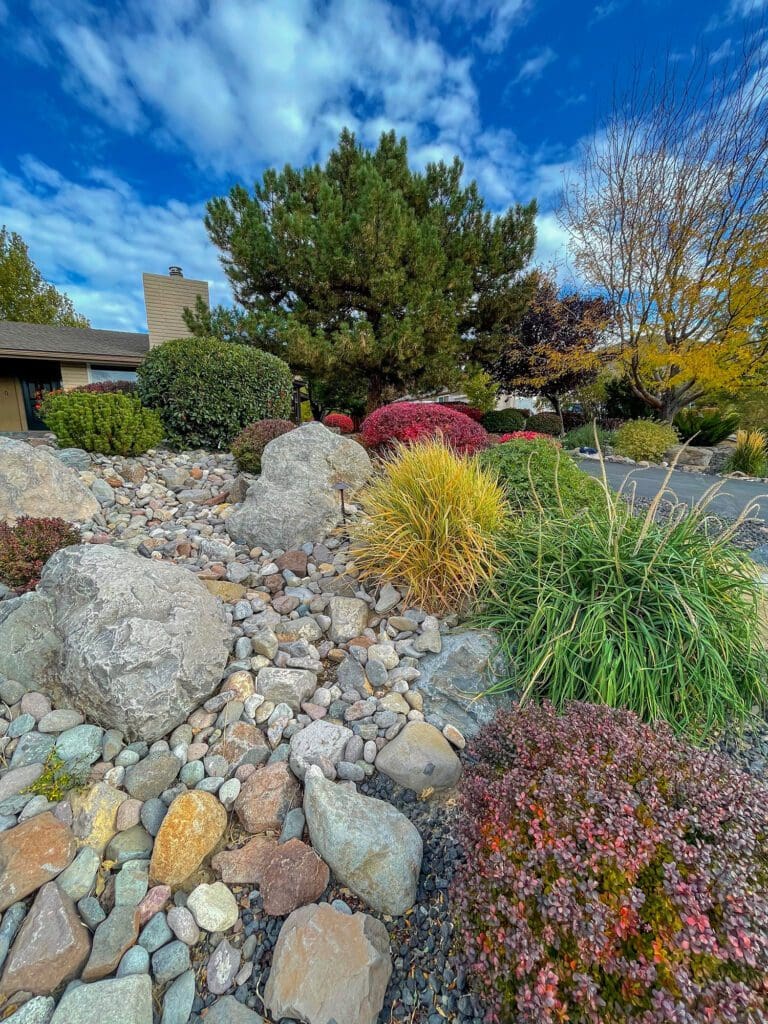
I talk with homeowners every week who feel nervous about their trees, especially when wind picks up or wet snow hits. Many people want to handle tree trimming themselves, and I understand why, because a few cuts can look simple from the ground. In Reno’s high desert, though, the wrong cut at the wrong time can change how a tree grows for years. When I look at a property, I focus on safety, longevity, and fire awareness, because improper trimming creates problems that cost more to fix later.
Reno’s climate puts stress on trees in ways many homeowners do not expect. I see intense sun, low humidity, temperature swings, and drought conditions that all affect how a tree responds after pruning. When someone removes too much canopy or makes poor structural cuts, the tree loses stored energy and struggles to recover. That stress often shows up as dieback, pest pressure, and weak regrowth that breaks more easily. Tree trimming needs to support the tree’s natural defenses, not reduce them.
I also consider fire risk when I evaluate tree trimming in Reno. Improper pruning can leave dead material, create dense ladder fuels, and encourage weak shoots that dry out quickly. Trees that grow over roofs, fences, or other structures can carry embers and heat closer to your home during wildfire season. When homeowners delay trimming for too long, they often end up removing larger branches, which creates bigger wounds and slower healing. A better plan uses preventive trimming on a schedule that keeps trees healthy and reduces hazards.
Tree lifespan depends on consistent, thoughtful pruning rather than occasional heavy cutting. I see many trees that could have lasted decades longer if someone kept their structure balanced early on. Large wounds invite decay, and repeated stress pushes a tree toward decline faster in high desert conditions. Windstorms then expose weak branch unions and poor weight distribution, which turns a tree into a safety concern. A licensed landscape contractor can manage tree trimming with the full property in mind, including defensible spacing, clearance, and long-term form.
I hear people say they want to “bring the tree down” like they would trim a shrub, and that mindset causes major mistakes. Structural pruning works with branch selection, attachment angles, and weight distribution so the tree stays stable as it grows. Cutting height without understanding structure often removes the wrong leaders and forces the tree to respond with fast, weak regrowth. That regrowth can create a thicker, more hazardous canopy over time. Tree trimming should shape the tree’s framework, not fight it.
Topping remains one of the most damaging practices I see. When someone cuts the main trunk or large leaders flat across, the tree reacts by sending out multiple shoots near the cut. Those shoots attach poorly, grow quickly, and break more easily during wind or snow. The tree also loses a large portion of its leaf area, which reduces energy production and increases stress. Over time, topping can lead to decay inside the cut area and shorten the tree’s functional life.
I approach tree trimming by identifying strong scaffold branches and keeping a clear, stable structure. I look for crossing limbs, competing leaders, and branches that create weight far from the trunk. I also check clearance over roofs, driveways, and parked cars, because overhang creates risk when branches fail. A skilled landscape team can remove and reduce branches strategically, which keeps the canopy healthier while still controlling size. When you want a tree to fit your yard long term, structure matters more than a quick height reduction.
Many homeowners think thinning always helps, especially if the tree looks dense. In Reno, over thinning can expose inner bark and major limbs to direct sun they never had to handle before. That sudden exposure often causes sun-scald, which damages tissue and creates entry points for pests and disease. The tree then spends energy trying to repair damage instead of maintaining healthy growth. Tree trimming should never remove so much canopy that the tree loses its natural protection.
I see over thinning happen most often during summer heat, which makes the outcome worse. When you remove too many leaves, the tree cannot regulate temperature or manage water use as effectively. The root system still needs moisture, but the tree has less canopy to support normal function and recovery. In drought conditions, that stress can push a tree into decline, even if it looked strong before. Reno’s elevation and sun intensity make this mistake more costly than many people realize.
Good tree trimming keeps enough canopy to shade the trunk and main limbs while improving airflow and structure. I focus on selective cuts rather than stripping out large sections of foliage. I also avoid creating “lion tails,” where interior branches disappear and weight shifts to the tips. That pattern increases breakage and makes the tree less stable in wind. An experienced landscape contractor can time pruning correctly and remove the right branches so the tree stays protected and resilient.
I often see young trees left alone for years because they look fine and seem low risk. The problem is that early growth sets the structure for the rest of the tree’s life. When no one guides that structure, the tree can develop tight branch angles and weak unions that split under load. Wet snow and wind then exploit those weaknesses, and the tree can fail suddenly. Tree trimming should start early enough to prevent those issues rather than reacting after damage.
Poor early structure also creates imbalance that becomes harder to correct later. One side of the canopy can grow heavier, pull the trunk, and place stress on branch attachments. As the tree matures, corrective cuts become larger and more stressful, and the tree needs more time to recover. Homeowners then face bigger safety concerns near roofs, fences, power lines, and vehicles. A proactive trimming plan keeps the tree balanced so it grows into its space safely.
I recommend routine, moderate pruning that supports a strong central leader or a stable multi-leader form when appropriate. I remove competing leaders, reduce crossing branches, and keep scaffold spacing that distributes weight. I also plan for clearance and defensible spacing, because a tree that grows into structures creates avoidable risk. Little City Landscape handles tree trimming with a preventive mindset, which helps you protect your home and extend the life of your trees. When you feel unsure about what your trees should look like, that uneasiness often signals a good time to bring in a licensed landscape contractor.
I want your trees to stay healthy, stable, and safe through Reno’s wind, sun, and winter storms. The biggest mistakes I see come from topping, over thinning, ignoring young-tree structure, and waiting too long between trims. Those choices weaken trees, increase fire concerns, and create hazards over roofs, cars, and walkways. If you feel unsure about how to trim without causing long-term damage, you do not need to guess. Contact Little City Landscape to schedule a tree trimming assessment, and get a preventive plan that keeps your landscape safer and stronger year after year.
As I walk through the Reno and Sparks area, I can see how our high-desert climate challenges lawns and gardens. Many homeowners struggle to maintain lush landscapes while managing rising water bills. That’s where drought-tolerant plants make all the difference. By incorporating these resilient species, we can create landscapes that are both stunning and sustainable—gardens that flourish with less water and care. One of my favorite combinations includes Agave parryi, a cold-hardy succulent that serves as a beautiful focal point, and Lantana camara, known for its vibrant blooms that attract butterflies and hummingbirds. These choices not only conserve water but also add rich color and texture to your yard.
Drought-tolerant doesn’t mean dull. When planned thoughtfully, these gardens can be lush and full of life. For example, pairing Myoporum parvifolium (Creeping Myoporum) with Salvia dorrii (Desert Sage) creates a striking balance of soft greens and bright purple blooms. Myoporum’s dense groundcover complements the vertical interest of Desert Sage, producing a beautiful, layered look. Both plants are well-suited to Reno’s USDA zones 6b–7b and require minimal watering once established—perfect for busy homeowners who still want vibrant outdoor spaces.
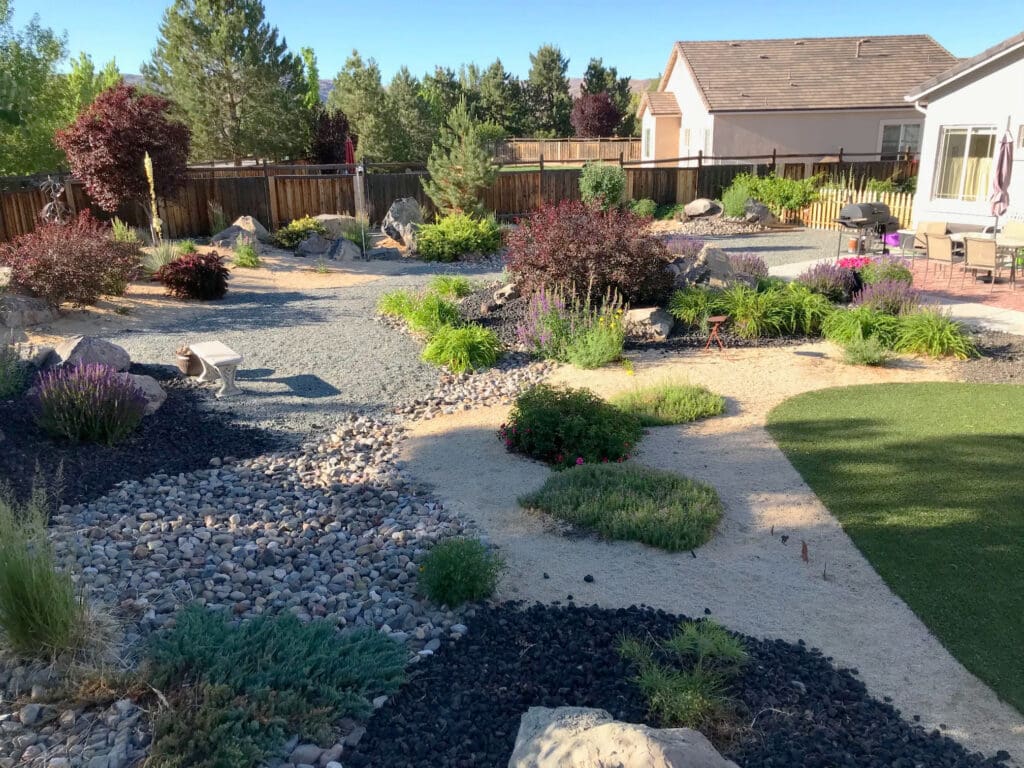
At Little City Landscaping, we know that drought-tolerant landscapes can be lush, colorful, and inviting without heavy watering. The key lies in creating harmonious combinations of plants that complement one another in texture, color, and water needs. For example, pairing Indian Ricegrass (Achnatherum hymenoides) with Mahonia repens (Creeping Oregon Grape) creates a balanced and dynamic visual. The soft, feathery texture of Indian Ricegrass contrasts beautifully with the bold, evergreen foliage and yellow blooms of Mahonia.
Grouping plants with similar irrigation needs is also essential. Combining Tipuana tipu (Tipu Tree) with Dodonaea viscosa (Hopseed Bush) ensures both thrive with consistent, moderate watering schedules. This approach reduces maintenance and minimizes the risk of over- or under-watering. By thoughtfully grouping plants, you save water and create a cohesive, stress-free landscape.
For added color and seasonal variety, I love pairing Callistemon ‘Little John’ (Dwarf Bottlebrush) with Phlox subulata (Creeping Phlox). The Bottlebrush adds bright red blooms and structure, while Phlox provides a soft, colorful carpet of spring flowers. Both species attract pollinators and perform well in zones 6b–7b, thriving in Reno’s variable temperatures and dry conditions.
Texture and color play vital roles in designing drought-tolerant gardens. Proper spacing and contrast between fine and bold foliage help establish visual balance and year-round appeal. For example, combining Salvia dorrii (Purple Desert Sage) with Acer glabrum (Rocky Mountain Maple) brings structure and softness together. Sage delivers seasonal purple blooms and a delicate fragrance, while the Maple anchors the garden with rich green leaves that turn vibrant red in fall.
Color selection is equally important. Choosing hardy flowering plants such as Lantana, Gaillardia (Blanket Flower), or Echinacea purpurea (Purple Coneflower) ensures bold, long-lasting color even during dry periods. Pairing them with sculptural succulents like Aloe aristata or Sedum spectabile (Showy Stonecrop) creates a dynamic, low-maintenance look. These combinations thrive across USDA zones 6b–7b, offering both resilience and beauty.
Not every plant can withstand Reno’s hot summers and cold winters, which is why local expertise is crucial. At Little City Landscaping, we help clients choose species that naturally thrive in Northern Nevada’s unique conditions. Plants such as Artemisia tridentata (Big Sagebrush), Mahonia repens, Indian Ricegrass, and Creeping Oregon Grape are ideal—they’re hardy, low-maintenance, and adapted to our region’s soil and temperature fluctuations.
Other great choices include Prunus andersonii (Desert Peach), Ericameria nauseosa (Rubber Rabbitbrush), and Penstemon strictus (Rocky Mountain Beardtongue), which provide seasonal blooms, attract pollinators, and add visual interest throughout the year. By selecting plants suited to USDA zones 6b–7b, you’ll enjoy a landscape that remains vibrant through all seasons while minimizing water use and maintenance.
Creating a drought-tolerant landscape in Reno and Sparks is about blending beauty with sustainability. With the right plant combinations and thoughtful design, you can reduce water use without sacrificing color, texture, or charm. Whether you want to reimagine your yard or add a few resilient species, our team at Little City Landscaping is here to help bring your vision to life.
Contact Little City Landscaping and together we can transform your yard into a stunning, water-wise oasis that thrives in our Northern Nevada climate—proof that conservation and beauty can absolutely go hand in hand.
If you’re noticing changes in your yard as temperatures drop, taking proactive steps to prepare for Reno’s winter climate is essential. The combination of cold nights, wind, and low moisture can significantly stress your landscape, impacting the health and appearance of your plants. Keeping your yard clear and well-maintained during this season not only preserves curb appeal but also safeguards your plants for the months ahead. A thoughtful winter clean up can save you time and expense in spring by preventing damage before it occurs.
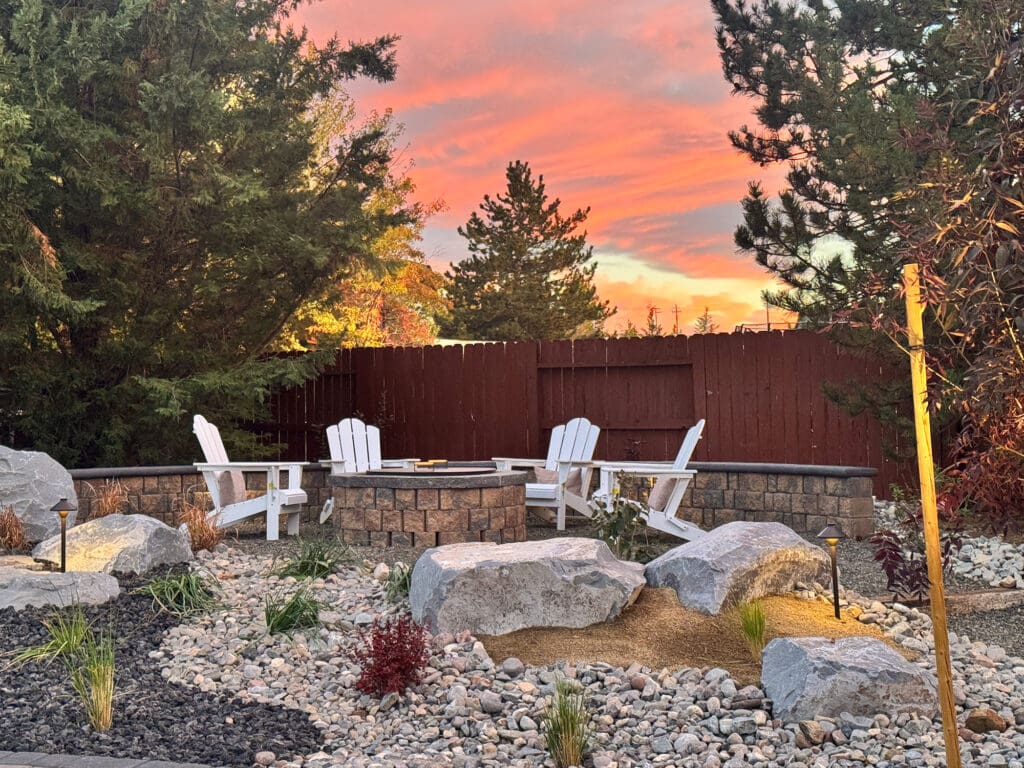
Reno’s high desert climate experiences sharp temperature fluctuations, with cold nights that can dip below freezing paired with dry, often windy days. These conditions cause plants to lose moisture faster than they can absorb it, stressing their root systems. Without adequate moisture, many plants become brittle and more prone to damage from frost or windburn. Additionally, the dry atmosphere hinders natural hydration processes, making it critical to prepare your yard to mitigate these effects. Knowing how the local climate affects your landscape allows you to target the clean up efforts that will keep your plants healthier through winter.
The persistent wind typical of this region also contributes to plant dehydration and physical stress. Wind increases evaporation from both soil and leaves, exacerbating dryness and weakening plants. This additional drying effect means any debris or damaged leaves left on the ground can trap moisture in unwanted places, potentially causing mold or fungal issues. Taking care of your yard by removing old growth and debris helps reduce these risks. Understanding the specific climate challenges here will help you prioritize your yard clean up tasks efficiently.
At Little City Landscape, we understand that low moisture is another key stressor for your plants in winter. Unlike regions with heavier winter rainfall, Reno’s precipitation levels remain modest, so water retention in soil is limited during winter months. Plants that aren’t properly sheltered or pruned are more vulnerable to drying out or succumbing to cold injury. Winter yard clean up that includes trimming and clearing promotes airflow and reduces the intensity of these stressors. Preparing your landscape with an eye on these local climate factors sets you up for a more resilient yard come spring.
Removing leaves and other plant debris is not just about aesthetics; it plays a crucial role in preventing mold growth and pest infestations. When leaves accumulate, they can create damp, shaded layers on the soil that encourage fungal diseases. Mold thrives in these environments and can spread to healthy plants if not managed promptly. Consistent yard clean up limits this buildup and protects both your plants and the overall health of your outdoor space.
Debris left on the ground also provides hiding spots for pests or animals seeking shelter during winter. Insects, rodents, and other critters find refuge in leaf litter and can cause damage to trees and shrubs as the season progresses. By clearing away these materials, you reduce potential habitats and make your property less inviting to unwelcome visitors. Yard clean up and removal in the early winter season helps maintain a yard that is less susceptible to pest outbreaks in late winter and early spring.
In addition, leaf and debris removal helps improve sunlight penetration and air circulation throughout your yard. Better airflow reduces moisture accumulation on plant surfaces, further cutting down the chances of fungal growth. These benefits also extend to soil health, as removal prevents organic matter from compacting and suffocating root zones. Keeping your yard clean establishes a healthier environment for your plants to endure the harsher months ahead.
Properly cutting back perennials and pruning trees during your winter yard clean up contributes significantly to plant protection. Removing dead or dying parts of perennials reduces the risk of disease and insect infestations over winter. It also helps redirect the plant’s energy toward healthy root development rather than on managing damaged foliage when growth resumes in spring. Pruning at this time provides your yard with a cleaner appearance and creates space for new growth cycles.
Pruning trees and shrubs helps prevent winter damage by removing weak or broken branches that could become hazards in storms or heavy winds common to the Reno area. Targeted pruning reduces limb weight and prevents snow or ice buildup that might snap branches. It also helps maintain the structural integrity of landscape plants, ensuring they grow stronger over time and recover quickly from seasonal stress.
While some perennials benefit from being cut back before winter, others may provide essential winter interest or food for wildlife and should be left standing until early spring. Knowing which plants in your yard to trim versus leave is an important detail that helps balance protection and curb appeal. Consulting a professional for guidance on local plant species can help you make informed decisions that optimize winter preparation.
Hiring landscaping experts who have served the Reno community for over 30 years ensures your winter yard clean up is handled with both skill and local knowledge. Experienced professionals understand the unique challenges posed by our high desert climate and can tailor their services to meet those specific needs. Their insight helps you avoid common pitfalls and secures better outcomes in preserving your yard’s health through winter.
Long-standing local companies also bring proven equipment and techniques specialized for Reno’s environment, which improves efficiency and effectiveness. They know which plants require special care, how to manage debris for optimal pest prevention, and methods to prune correctly for winter protection. The expertise from Little City Landscaping translates into cleaner, healthier yards that rebound strongly in spring.
Working with well-established landscaping experts can save you time and reduce stress, particularly if you lack the necessary tools or availability to do thorough winter clean up yourself. Their track record provides confidence in their ability to deliver professional results that protect your investment in your home’s outdoor space. Entrusting your yard to local experts ensures tailored care that honors the distinct needs of your landscape.
Preparing your yard for Reno’s winter involves more than simple tidying—it requires targeted care to protect plants from climate stresses, mold, and pests. Removing debris, pruning properly, and relying on experienced professionals who understand the local environment are key components of effective winter yard clean up. Being proactive now helps maintain your yard’s health, curb appeal, and resilience come spring.
If time or equipment limitations make this task challenging, consider booking a winter yard clean up service. Skilled landscapers like our team at Little City Landscaping can handle these essential seasonal practices efficiently to preserve your landscape and give you peace of mind. A well-maintained yard through winter lays a solid foundation for vibrant growth in the new season, setting your property apart all year long.
Landscaping is a crucial investment for homeowners looking to boost their property's value and appeal. In Reno, where the high desert climate presents unique challenges, strategic landscaping can significantly enhance your home's marketability. By focusing on creating a visually appealing exterior, you can increase your property's perceived value and attract potential buyers. This is particularly important in Northern Nevada, where outdoor spaces are highly valued for their functionality and aesthetic appeal. Additionally, a well-designed landscape can reduce long-term maintenance costs and make your home more sustainable.
When you're planning to sell or simply want to protect your investment, landscaping becomes even more important. A beautiful outdoor space not only invites potential buyers but also sets the tone for the rest of the house. In Reno, where water conservation is a priority, incorporating water-wise plants and features can be highly beneficial. Choosing region-appropriate materials ensures that your landscape will thrive in the local climate. This thoughtful approach also communicates to buyers that your home has been well-maintained and cared for.
Professional landscaping companies like Little City Landscape understand the importance of tailoring designs to Reno's unique climate and aesthetic preferences. They can help you create a landscape that not only enhances curb appeal but also offers long-term benefits such as reduced maintenance costs and increased property value. By investing in quality landscaping, you're signaling to potential buyers that your home is well-cared for and worth their investment. This strategic approach can make your home stand out in a competitive market. Furthermore, a well-designed outdoor space adds functional living areas that can be enjoyed year-round.
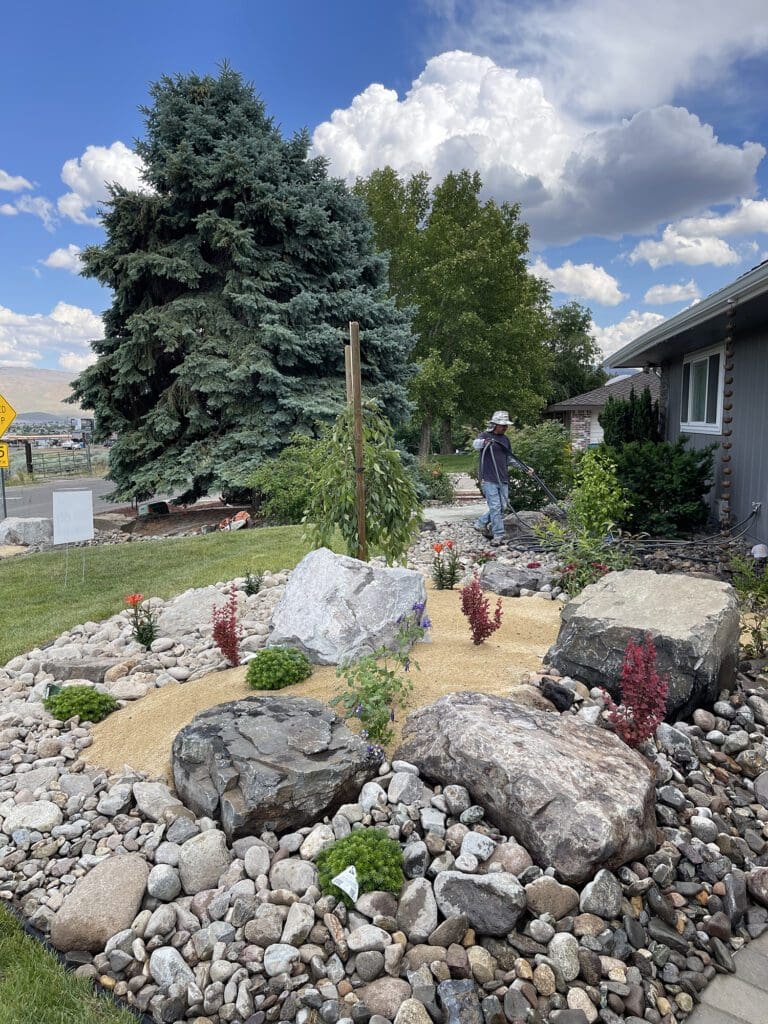
Curb appeal plays a significant role in creating a higher perceived value for your property. A well-manicured lawn, beautifully placed trees, and an inviting entrance can make a powerful first impression on potential buyers. In Reno, where the climate can be harsh, selecting drought-resistant plants and trees is crucial for maintaining a vibrant appearance. This not only enhances the aesthetic appeal but also reduces water bills and maintenance needs. Additionally, incorporating decorative elements like paver patios can add a touch of elegance and functionality to your outdoor space.
As you consider how to boost your property's curb appeal, remember that it's about creating an inviting and well-maintained exterior. This can be achieved through strategic planting, such as using native plants that require less maintenance and water. Paver patios and walkways are also excellent additions, providing a durable and visually appealing surface that can withstand Reno's climate. These features not only add to the aesthetic value but also provide functional spaces for outdoor activities. Moreover, they can be designed to blend seamlessly with the surrounding landscape, creating a cohesive look that enhances your home's overall appeal.
Incorporating natural elements and decorative features into your landscape can significantly enhance your property's curb appeal. For instance, adding a deck or a patio can expand your outdoor living space, making it more appealing to potential buyers. Strategic tree planting not only adds shade and beauty but also contributes to improved air quality and reduced energy costs. When choosing plants and trees, consider their long-term benefits and how they will fare in Reno's climate. This thoughtful approach ensures that your landscape remains vibrant and attractive over time.
Low maintenance, water-wise landscapes are highly desirable in Reno due to their practicality and eco-friendliness. By incorporating drought-resistant plants and efficient irrigation systems, you can significantly reduce your water consumption and maintenance costs. This not only benefits the environment but also appeals to buyers who value sustainability and cost-effectiveness. Native plants, for example, are a great choice as they require less water and care, making them an excellent option for Reno's climate. Additionally, they provide ecological benefits by supporting local wildlife.
In Reno, where water conservation is paramount, investing in water-wise landscaping can lead to significant cost savings and increased property value. The Southern Nevada Water Authority offers rebates for turf conversion to more efficient landscaping options, which can be a great incentive for homeowners. By choosing plants and materials that are adapted to the local climate, you ensure that your landscape will thrive with minimal upkeep. This approach also aligns with Reno's environmental goals, making your home more attractive to environmentally conscious buyers. Furthermore, water-wise landscaping can reduce the risk of water damage and other maintenance issues.
Water-wise landscapes not only reduce your water bill but also enhance your property's appeal. By incorporating features like rain gardens or efficient irrigation systems, you can create a beautiful and sustainable outdoor space that requires less maintenance. This not only benefits you as a homeowner but also adds value to your property in the eyes of potential buyers. In Reno, where outdoor spaces are highly valued, a well-designed water-wise landscape can be a major selling point. Additionally, it communicates a commitment to sustainability and eco-friendliness, which is increasingly important to homeowners.
Professional installation of landscaping features is crucial for maximizing their impact and longevity. A well-designed and properly installed landscape not only enhances your property's value but also reduces future costs and mistakes. In Reno, where harsh weather conditions can be challenging, ensuring that materials and plants are correctly placed and maintained is essential. This not only signifies quality for the rest of the house but also ensures that your landscape will last longer and require less maintenance over time.
When you invest in professional landscaping, you're not just enhancing your property's aesthetic appeal; you're also ensuring that every element is designed to function optimally. This includes selecting materials that can withstand Reno's climate and incorporating features that provide functional living spaces. For instance, a paver patio can be beautifully crafted to complement your home's architecture, while also providing a durable surface for outdoor activities. This kind of thoughtful design signals to potential buyers that your home is well-maintained from the ground up.
Professional landscapers can help you prioritize landscape improvements based on your goals, whether you're looking to sell your home soon or simply want to enhance its long-term value. They can assess your property's unique features and design a landscape that complements its natural beauty while addressing any challenges posed by the climate. By focusing on quality materials and craftsmanship, you ensure that your landscape not only enhances curb appeal but also reduces long-term maintenance costs and signals quality to potential buyers.
To take your landscaping project to the next level, consider reaching out to a professional service like Little City Landscape to discuss your design and estimate. They can help you navigate the unique challenges of Reno's climate and create a landscape that boosts your property's value and appeal. Whether you're looking to sell or simply enhance your home's appearance, a well-designed landscape is a valuable investment that can make a significant difference. By prioritizing low maintenance, water-wise features and professional installation, you set your home up for success in the competitive Reno market. As you move forward with your landscaping project, remember that quality and sustainability are key to maximizing your property's value.
Reno homeowners are increasingly seeking innovative ways to enhance their outdoor spaces. As landscaping trends evolve, more emphasis is being placed on sustainability, functionality, and natural beauty. Whether the goal is to reduce water consumption, attract pollinators, or create a seamless transition between indoor and outdoor living, 2025 presents new opportunities for homeowners to rethink their landscapes.
Implementing these trends ensures a backyard that is both visually appealing and well-suited to Northern Nevada’s climate. By working with a professional landscaping team, homeowners can transform their outdoor spaces into beautiful, functional retreats.
Sustainability continues to be a top priority in landscaping design. With Reno’s dry climate, embracing drought-tolerant plants, rain gardens, and composting can significantly reduce water usage while maintaining a lush, green space.
Using native plants such as sagebrush, lupine, and rabbitbrush helps conserve water and supports local wildlife. Incorporating permeable hardscaping materials, such as gravel and decomposed granite, improves drainage and reduces runoff. Composting and mulching further enrich the soil, reducing the need for synthetic fertilizers. Homeowners looking for low-maintenance, environmentally conscious landscaping solutions are increasingly turning to these sustainable practices.
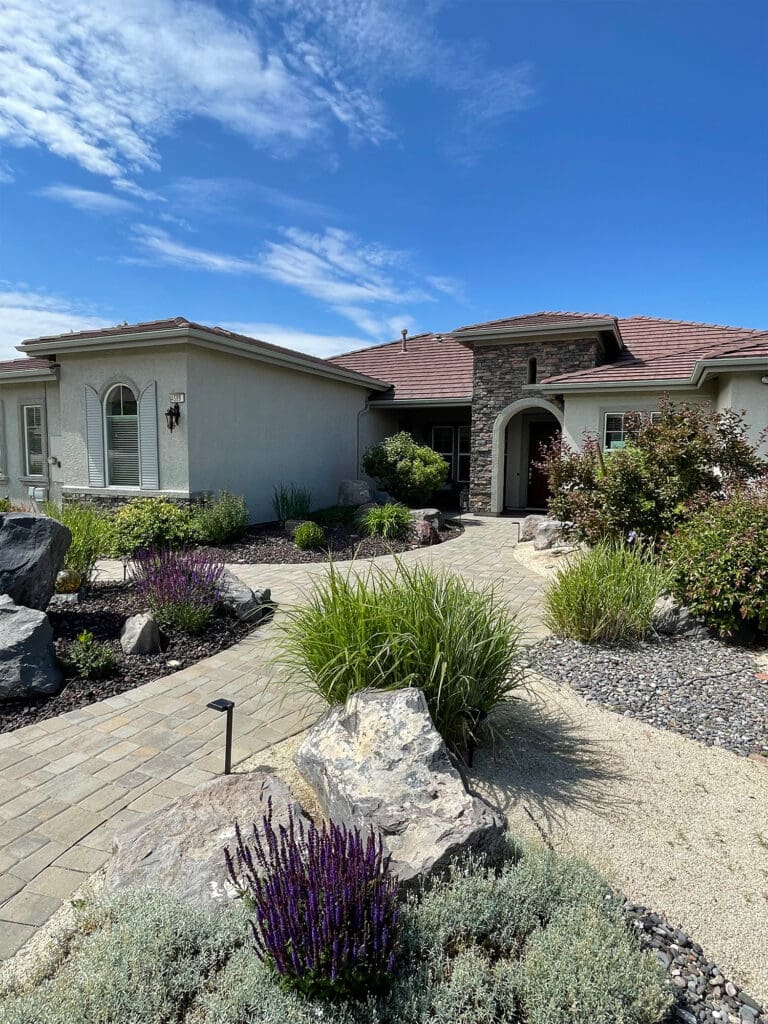
Backyards are no longer just for gardening; they are now extensions of the home. The demand for outdoor kitchens, fire pits, and multi-purpose seating areas continues to grow as homeowners seek to create functional outdoor living spaces.
A well-designed backyard can include defined areas for relaxation, dining, and entertainment. Features like built-in seating, pergolas for shade, and ambient lighting enhance usability while creating a comfortable and inviting atmosphere. These elements not only increase property value but also make outdoor spaces more enjoyable year-round.
Landscaping trends in 2025 emphasize the importance of planting native and pollinator-friendly species. Native plants naturally thrive in Reno’s climate, requiring minimal maintenance while providing food and habitat for bees, butterflies, and other beneficial insects.
Popular choices include milkweed, yarrow, and penstemon, which add vibrant color while supporting biodiversity. Grouping plants based on their water and sunlight needs ensures they grow efficiently with minimal upkeep. These selections help create a resilient, thriving landscape that contributes to the region’s ecosystem.
Water conservation remains a key concern for Reno homeowners, making smart irrigation systems a crucial investment. Upgrading to drip irrigation with automated timers helps reduce water waste by delivering moisture directly to plant roots.
Soil moisture sensors and weather-responsive irrigation controllers further optimize water usage, adjusting output based on real-time environmental conditions. These systems prevent overwatering and ensure that landscapes remain healthy while keeping water bills in check. Investing in modern irrigation technology is an effective way to maintain a green and efficient outdoor space.
Homeowners in Reno looking to embrace 2025’s top landscaping trends can benefit from professional guidance. Thoughtful design, expert installation, and proper maintenance ensure that outdoor spaces remain both beautiful and functional. By integrating sustainable gardening, outdoor living spaces, native plant selections, and smart irrigation, any backyard can be transformed into a thriving, low-maintenance retreat.
Those ready to enhance their landscapes can explore tailored solutions that fit their unique vision. Contact Little City Landscape today to schedule a consultation and start creating a backyard that blends aesthetics with long-term sustainability.