
You moved to Reno and started collecting yard ideas, and now you want your outdoor space to feel finished and livable. Many new homeowners arrive with California expectations, but Northern Nevada plays by different rules. Reno sits at high elevation in a high-desert climate, and that reality shapes every smart decision in your yard. Reno landscape design works best when it looks intentional, handles real winters and summers, and stays efficient without looking dry.
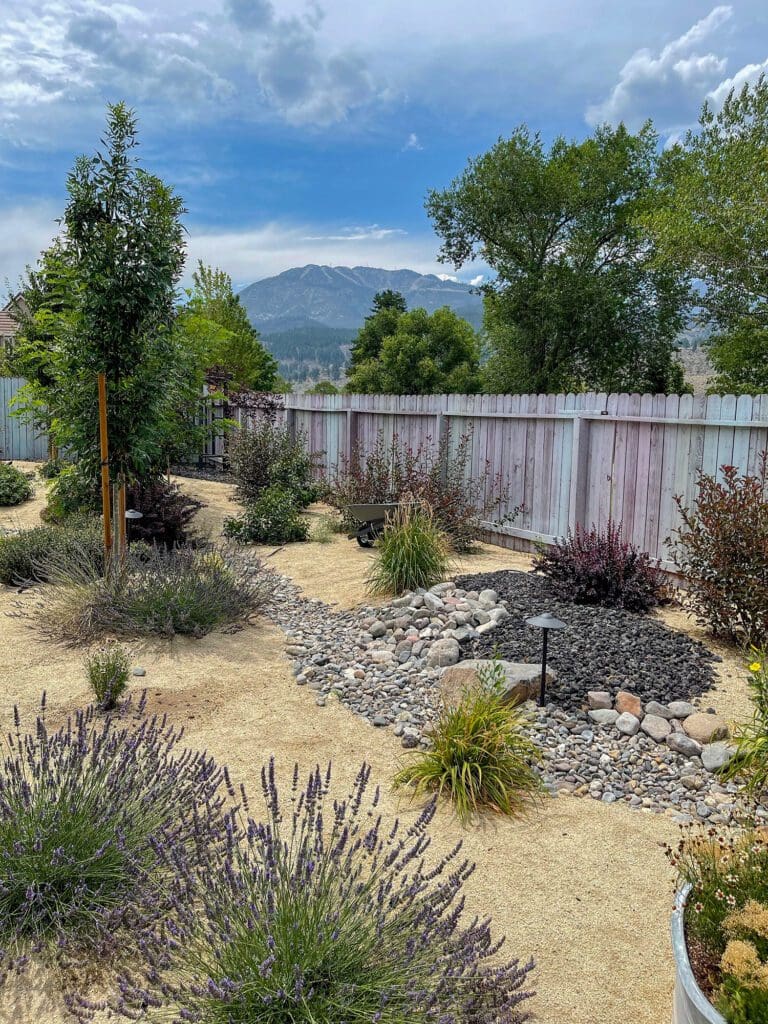
Reno landscape design starts with performance because the environment tests everything you install. You deal with temperature swings, intense UV, wind, and freeze-thaw cycles that expose weak materials and rushed workmanship. Clay pockets and compacted sub-grade can trap water, and that water shows up later as settling, heaving, and cracking. A climate-aware plan manages drainage from day one so your hardscape and planting areas stay stable. You protect your investment when you treat grading, base prep, and materials as the foundation of the entire project.
Low maintenance does not mean a bare yard, and it definitely does not mean a yard with no personality. You can achieve a clean, layered look with a design that respects how you actually live and how much time you want to spend on upkeep. Perennials and shrubs that suit alkaline soils can hold their structure through shoulder seasons and stay present in winter. Proper spacing and hydro-zoning reduce stress on plants and keep irrigation efficient without sacrificing curb appeal. A well-composed yard keeps its shape year-round, which matters when you want your home to look cared for even in January.
Resale value often follows the same principles as livability, especially in Reno’s long-term housing market. Buyers notice solid hardscape edges, stable steps, and planting beds that look planned instead of patched together. They also notice drainage that directs runoff away from foundations and walkways, because those details signal thoughtful construction. Seasonal structure matters here, so evergreens, stonework, and layered forms carry the yard when flowers fade. Little City Landscape designs with these realities in mind, which helps you avoid the cycle of constant fixes and replacements.
A lush California backyard often relies on consistent moisture, milder winters, and soils that behave differently than what you find in Reno and Sparks. You can force that look for a while, but the water use, plant stress, and maintenance demands usually show up quickly. High desert sun pushes evapotranspiration, and intense UV can scorch plantings that look effortless near the coast. Winter brings freeze events that challenge tender plants and shallow-rooted selections. Reno landscape design stays attractive by choosing forms and textures that look good without fighting the climate every week.
Your soil conditions also change the game, especially if you expect the same performance you saw in a different region. Alkaline soils can limit nutrient uptake, and some popular “lush” plants struggle no matter how much attention they get. Clay pockets can hold water around roots and create decline that looks like a mystery until you understand the soil profile. Wind and reflected heat from walls and hardscape can dry out sensitive plantings even when irrigation runs regularly. A Reno-focused plan anticipates these factors and builds a palette that thrives, not just survives.
The goal is not to give up on beauty, because Reno offers a different kind of lush that fits the setting. You can create fullness through layered planting beds, varied leaf textures, and strategic shade without depending on thirsty, fragile choices. You can also use boulders, natural stone, and hardscape elements to provide visual weight so the landscape never feels empty. When a design balances plant structure and hardscape, your yard looks composed in every season, not just during peak bloom. Little City Landscape helps you translate inspiration into a Reno-appropriate design that still feels rich and welcoming.
Wildfire risk changes how you plan outdoor spaces in Northern Nevada, and smart design treats that risk as part of the brief. Fire-smart does not mean you settle for a gravel-only yard or a sterile look that feels unfinished. You protect the home with defensible space that uses distance, plant choice, and careful layout to reduce ignition potential. Hardscape can work as a protective buffer when it surrounds key zones near the home and separates planting areas. Reno landscape design looks better and performs better when you plan for safety without stripping away comfort.
Plant spacing and selection play a major role, and professionals treat those choices as a system, not a random plant list. You want plants that fit Reno’s climate, hold up in sun and wind, and avoid excessive dead material that builds fuel over time. You also want irrigation that supports plant health without creating overgrowth, because stressed plants and neglected beds can become risky faster than you expect. Proper setbacks and breaks between planting masses reduce continuity, which helps slow the spread of fire if embers land nearby. A designer-led plan can keep the yard visually full while still supporting a defensible layout.
Hardscape adds more than style in this context, because it can create the separation that makes the rest of the landscape safer. Stone patios, walkways, and retaining elements can act as noncombustible zones that interrupt fuel paths. Lighting and access routes also matter, because you need a yard that stays usable and easy to navigate during all seasons. Drainage still matters here, since runoff and erosion can expose roots and destabilize slopes, which creates maintenance issues and safety concerns. Little City Landscape understands how fire-smart planning and Reno conditions intersect, which helps you avoid designs that look good online but fail in real life.
High Desert Planning Requires Short-Term and Long-Term Thinking From Little City Landscape
You feel the difference between a yard that looks good on install day and a yard that still looks good five years later. High desert conditions reward thoughtful material choices, proper base preparation, and build techniques that handle freeze-thaw, soil movement, and intense sun. Drainage planning needs to account for snow-melt, summer storms, and the way clay pockets can shift water across a property. Irrigation design needs to reflect hydro-zones, exposure, and seasonal schedules so plants stay healthy without wasting water. Reno landscape design succeeds when every layer works together, from soil prep to hardscape to planting.
Material selection also matters more here than most newcomers expect, because Reno’s environment can accelerate wear. UV and temperature swings can fade or degrade surfaces that look fine in milder climates. Poor compaction under patios and walkways can settle unevenly and create trip points, especially after a winter cycle. Retaining work and steps need correct reinforcement, drainage behind walls, and stable footings to avoid movement. An experienced Reno contractor brings proven methods to these details, so you don’t pay twice for the same yard.
You also benefit from a team that knows the local patterns, from wind corridors to exposure differences across neighborhoods in Reno and Sparks. Micro-climates can change plant performance dramatically, especially near reflective walls, shaded side yards, or south-facing slopes. A contractor who regularly works in the region can spot those issues early and design around them with appropriate plant palettes and layout decisions. That experience also supports smarter scheduling, because Reno’s seasons affect when planting and certain construction steps perform best. Little City Landscape applies local knowledge in a way that keeps the finished design aligned with your lifestyle and the realities of the site.
You moved to Reno for a reason, and your yard should reflect the place you chose without forcing a California template onto a high-desert home. Reno landscape design looks best when it prioritizes durability, drainage, low maintenance, year-round structure, and safety while still delivering a polished outdoor experience. You get better results when an experienced team guides materials, layout, irrigation strategy, and fire-smart planning as one integrated design. Little City Landscape brings that Reno-specific approach, which helps you avoid costly mismatches between inspiration and climate. Take your next step by reviewing the project creations on the Little City Landscape website, then reach out to discuss a design that fits your property and your long-term plans.
As you prepare for fire season in Reno, it's crucial to take proactive measures to protect your landscaping and property. Creating defensible zones around your property is a key strategy to reduce the risk of wildfires spreading. This involves regular maintenance, choosing fire-resistant plants, and incorporating hardscaping to create safe pathways. By taking these steps, you can significantly reduce the threat of wildfires to your home and community. Regular updates to your landscaping will also ensure that your property remains safe and visually appealing throughout the year.
Regular Maintenance: A Key to Reducing Wildfire Risk in Landscape in Reno
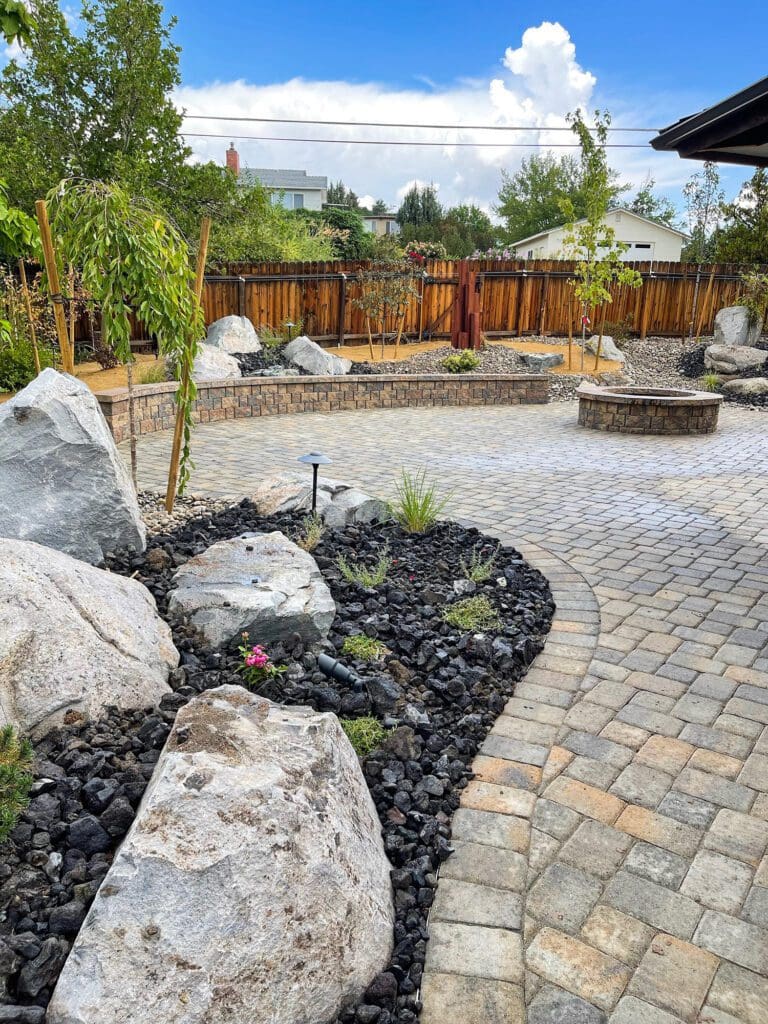
Regular maintenance is essential to reduce damage to both your community and home during fire season. This includes removing dead or flammable vegetation, pruning trees, and ensuring that your yard is free from debris. By maintaining a clean and well-manicured yard, you reduce the continuous fuel bed that could otherwise spread fire quickly. Additionally, regular inspections can help identify potential fire hazards early, allowing you to address them before they become serious issues. Contacting a professional service can provide you with tailored advice and assistance to maintain your property effectively.
Proper maintenance also involves managing vegetation density and spacing. This can be achieved by thinning out dense areas of plants and trees, which helps prevent fire from spreading rapidly across your property. Furthermore, maintaining a consistent watering schedule ensures that plants remain healthy and less susceptible to ignition. Regularly inspecting your property for any signs of fire risk will also help you stay ahead of potential threats. By integrating these practices into your routine, you can help safeguard your property and contribute to a safer community.
Regular maintenance is not a one-time task; it requires ongoing effort to maintain effectiveness. As the seasons change, so do the needs of your landscaping. Adjusting your maintenance schedule accordingly will ensure that your property remains protected throughout the year. This might involve seasonal pruning, mulching, or other activities that help maintain fire resistance. By prioritizing regular maintenance, you not only protect your property but also play a role in reducing the overall fire risk in your community. Moreover, maintaining a well-kept property can enhance its aesthetic appeal and increase its value.
Creating a Fire Break: A Crucial Step in Reno
Creating a fire break is necessary when living in Reno, as it provides a critical barrier between your property and any approaching wildfires. This involves designing a fire-resistant buffer zone around your home, which can help stop or slow the spread of fire. Fire breaks often incorporate hardscaping elements like stone walls, patios, or gravel, which are less likely to burn than vegetation. Additionally, selecting fire-resistant plants for your landscaping can further enhance this buffer zone. By creating a fire break, you provide firefighters with a safer area to defend your home from an approaching fire.
A well-designed fire break should be tailored to the specific needs of your property. This might involve removing flammable vegetation and replacing it with fire-resistant alternatives. It's important to consider the layout of your property and ensure that the fire break is positioned effectively to maximize its protective benefits. Consulting with a professional can help you design a fire break that meets your property's unique requirements. By integrating a fire break into your landscaping, you significantly reduce the risk of wildfire damage to your property. This proactive approach not only protects your home but also contributes to a safer community environment.
Incorporating fire-resistant plants into your landscaping is another effective way to enhance your fire break. These plants are less likely to burn and can help slow the spread of fire. By choosing plants that are green, well-irrigated, and spaced appropriately, you can further reduce the risk of wildfires. It's also important to maintain these plants regularly to ensure they remain healthy and effective. By combining these strategies, you can create a robust fire break that protects your property during fire season. Additionally, maintaining a well-planned fire break can enhance the overall appearance of your landscaping.
Healthy and Hydrated Plants: Slowing Fire Spread
Healthy and hydrated plants burn slower, which is crucial in slowing the spread of wildfires. Proper irrigation systems, such as drip irrigation, can help keep your plants well-watered without wasting water. This not only enhances their fire resistance but also supports their overall health. By maintaining a consistent watering schedule, you ensure that your plants remain less susceptible to ignition. Regular inspections will also help identify any areas where plants may be struggling, allowing you to address these issues promptly.
Well-irrigated plants are more resistant to fire because they contain more moisture, making them less likely to burn quickly. This is particularly important in areas prone to wildfires, as it can provide valuable time for firefighters to respond effectively. Additionally, using plants that are known to be fire-resistant can further enhance this protective effect. While no plants are completely fireproof, choosing those that are less likely to burn can significantly reduce the risk of wildfire damage. By integrating these strategies into your landscaping, you can create a safer and more resilient environment.
Maintaining healthy and hydrated plants also involves ensuring they receive adequate nutrients and sunlight. This can be achieved through regular fertilization and pruning, which helps maintain plant health and appearance. By combining these practices with proper irrigation and fire-resistant plant selection, you can create a robust defense against wildfires. Moreover, maintaining healthy plants can enhance the aesthetic appeal of your property, making it both safer and more visually appealing. By prioritizing plant health, you contribute to a safer community environment.
Hardscaped Exit Routes: Ensuring Safety
Hardscaped exit routes are essential for ensuring safety during wildfires. These routes provide a clear path for evacuation and can help guide firefighters to your property. By incorporating materials like gravel, rock, or concrete into your landscaping, you create pathways that are less likely to catch fire. This not only enhances safety but also provides a clear visual indication of where to go in case of an emergency. Additionally, well-designed hardscaped routes can enhance the overall appearance of your property.
Hardscaped exit routes should be carefully planned to ensure they are safe and accessible. This involves considering the layout of your property and identifying the most direct and safest paths for evacuation. It's important to ensure that these routes are clear of debris and obstacles, which can pose a risk during emergency situations. By maintaining these routes regularly, you can provide a safe and reliable means of exit in case of a wildfire. This proactive approach not only protects your property but also enhances community safety.
Incorporating hardscaped exit routes into your landscaping can also provide additional benefits. These routes can help delineate different areas of your property, enhancing its visual appeal. Additionally, they can serve as a guide for firefighters, directing them to safe areas from which to defend your home. By integrating hardscaped exit routes into your overall landscaping strategy, you can create a safer and more resilient property environment. This approach not only protects your home but also contributes to a safer community.
Closing the Gap: Protecting Your Property with Comprehensive Strategies
By combining regular maintenance, fire breaks, healthy plants, and hardscaped exit routes, you can create a comprehensive strategy to protect your property from wildfires in Reno. Each of these elements plays a crucial role in reducing the risk of fire damage and enhancing overall safety. As you prepare for fire season, consider reaching out to a professional service to help you implement these strategies effectively. They can provide tailored advice and assistance to ensure your property remains protected and visually appealing throughout the year. By prioritizing these measures, you not only safeguard your home but also contribute to a safer community environment. Contact us today to schedule a consultation and get expert guidance tailored to your Reno home.