
Planning a landscaping renovation in Reno takes more than picking out a few plants and hoping for the best. Northern Nevada's high desert climate brings real challenges: long stretches of summer heat, drought-prone soil, and winters that can stress plants not suited to the region. The good news is that a thoughtful plan built around smart irrigation, functional outdoor spaces, and honest maintenance expectations can make your yard work with the environment instead of against it. This guide walks through the key steps that help Reno homeowners create outdoor spaces they will genuinely use and enjoy for years.
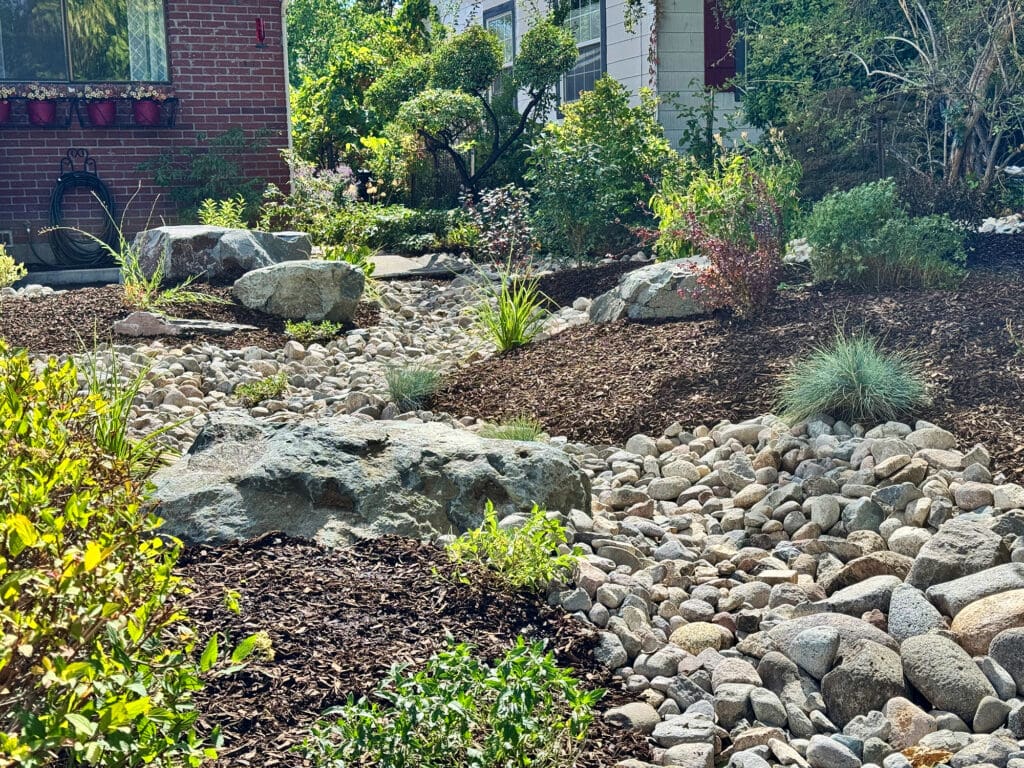
The first step in any landscaping reno project is a thorough site assessment of your own yard. Walk the space at different times of day to observe where sun hits, where shade falls, and how water moves across your property after a rain. Take note of slope, soil composition, and any existing plants or structures that could factor into your design. Understanding what you are starting with gives you a realistic foundation before any decisions about plants, hardscape, or irrigation systems get made. That kind of honest baseline saves money and prevents redesigns down the road.
Your personal goals matter just as much as your site conditions when mapping out a renovation. Think carefully about how you actually want to use your outdoor space before committing to a design direction. Do you want a shaded patio for summer evenings, a low-maintenance xeriscape in the front yard, or a naturalistic garden that draws birds and pollinators? Defining those goals early helps every downstream decision feel purposeful rather than reactive. A clear vision also makes it easier to phase your project so costs stay manageable without losing sight of the bigger picture.
Once you have a sense of your goals and site conditions, building a realistic budget becomes the next priority. Landscape professionals generally recommend setting aside an additional 10 to 15 percent beyond your core estimate for unexpected discoveries or material changes that come up during installation. Working with a full-service landscape company in Reno means hardscape, irrigation, planting, and design can be handled through a single coordinated process rather than managing several contractors separately. That kind of coordination reduces both cost overruns and timeline surprises, especially on more complex projects.
Native plants adapted to Northern Nevada's climate offer some of the most practical benefits for any landscaping reno project. They have evolved to handle Reno's rainfall patterns, temperature swings, and rocky, alkaline soils without needing constant intervention from you. Once established, native species typically require significantly less irrigation than non-native ornamentals, which directly reduces your water bill over time. They also support local pollinators, birds, and other wildlife in ways that imported plants often cannot match. Selecting natives is one of the most effective decisions you can make when sustainability and low maintenance are both priorities.
Grouping plants with similar irrigation needs is a foundational principle of efficient landscape design, and it pays off quickly. When plants with high water demands share a zone with drought-tolerant species, one group is always either overwatered or underwatered. Organizing your plant palette into hydrozones allows your irrigation system to deliver the right amount of water to each area without waste. This approach also simplifies your seasonal maintenance routine because you manage zones with consistent needs rather than tracking individual plants across the yard. A well-designed hydrozone layout works directly in tandem with drip irrigation to keep both your plants and your water usage in a healthy range.
Popular plant choices for Reno yards include species like Desert Sage, Penstemon, and low-water perennials that deliver color and texture with minimal ongoing care. Hardy shrubs and ornamental grasses provide structure through the winter months when other plants go dormant. Pairing groundcovers like Creeping Myoporum with taller accent plants creates a layered, naturalistic look that stays attractive across multiple seasons. The key is building a mix of species that complement each other visually while also sharing similar care requirements. A certified nurseryman or landscape designer familiar with Reno's USDA hardiness zones can help you build a plant list that will actually perform well in your specific yard.
Tree placement plays a significant role in the long-term character of your landscape, and Reno has specific regulations that govern where and how trees get planted. The city's Land Development Code requires one tree for every 300 square feet of front yard landscaping in nonresidential districts, and at least 50 percent of required trees must be evergreen species. Residential projects may have different thresholds, but understanding the applicable rules before finalizing your design prevents compliance issues after installation is complete. Consulting with a professional landscaper familiar with local code requirements helps you plan tree placement that meets both your aesthetic goals and city standards. Getting this right early avoids costly corrections later.
Choosing the right tree species for Reno's climate is just as important as meeting the numerical requirements. Some trees that look appealing at the nursery are poorly suited to the region's alkaline soils, extreme temperature swings, or limited water availability. Evergreen species that hold up through Reno winters while providing summer shade offer real functional value in addition to satisfying code requirements. Deciduous trees positioned on the south and west sides of a home can reduce cooling loads during summer while still allowing winter sun to reach the house after they drop their leaves. Matching species to site conditions from the start reduces the risk of losing trees to stress within the first few seasons.
Proper planting depth, soil amendment, and irrigation setup all influence how well newly planted trees establish in Reno's challenging soil. Most trees benefit from a generous watering basin and a dedicated drip irrigation emitter during the first two to three growing seasons after planting. Mulching around the base helps retain soil moisture, moderate soil temperature, and suppress weeds that compete with young root systems for nutrients. Avoiding deep planting mistakes at installation is critical because trees planted too deep often develop root rot or girdling roots over time. Getting the installation details right from the beginning costs far less than removing and replacing a struggling tree a few years later.
Not every landscaping project in Reno requires a permit, but significant changes involving hardscape, irrigation infrastructure, or structural additions often do. Skipping the permit research phase can result in costly corrections, delays, or fines that disrupt an otherwise smooth project timeline. The City of Reno's planning and building departments provide guidance on what triggers a permit requirement, and checking with them early in your process is always worth the time. Projects involving grading, drainage changes, or installations like pergolas or retaining elements are especially likely to fall under permit requirements. Starting that process early keeps your overall project timeline on track from the beginning.
Irrigation systems that connect to your home's main water supply may require inspections to verify backflow prevention and proper installation standards. These regulations exist to protect the municipal water supply from contamination that could result from a malfunctioning system. Working with a licensed and bonded landscaping contractor in Reno ensures your irrigation installation meets local code requirements and passes inspection without complications. Licensed contractors also carry the liability coverage necessary to protect your property during the entire installation process. Verifying contractor credentials before any work begins is a simple step that provides real protection for you as the homeowner.
Phasing your project with permits and inspections built into the timeline is a practical way to manage both compliance and budget without feeling overwhelmed. Many homeowners choose to install hardscape elements first, then move into planting and irrigation in a second phase once structural work passes inspection. This sequencing prevents the common mistake of planting in areas that later need to be disturbed for grading or drainage corrections. A professional landscape company familiar with Reno's permitting process can help you map out a phased plan that fits both your goals and your budget. Knowing the rules before you break ground eliminates one of the most avoidable sources of project stress.
A successful landscaping reno brings together site assessment, smart plant choices, tree planning, code compliance, and a realistic maintenance plan into one cohesive design. Each of the elements covered here builds on the others, and skipping any one of them tends to create problems that are harder to fix after installation than before it. Working through the planning process carefully, especially in a climate as demanding as Northern Nevada's, pays off in the form of a yard that stays healthy and attractive without constant intervention. The goal is a space that looks and functions just as well in year five as it does the week installation wraps up.
Little City Landscape has served Reno and Sparks homeowners for over 40 years, bringing design expertise, certified nursery knowledge, and a full range of services together under one team. From custom hardscape and paver work to irrigation installation, sustainable planting, and quarterly maintenance, the approach covers every phase of a landscaping project from first drawing to finished yard. Designer Kirk Barlow works with each homeowner to develop a plan that fits their property, their lifestyle, and the specific demands of Northern Nevada's climate. Reach out to Little City Landscape today at littlecitylandscapereno.com to schedule a consultation and get a packaged design and installation estimate tailored to your space.
As I walk through the Reno and Sparks area, I can see how our high-desert climate challenges lawns and gardens. Many homeowners struggle to maintain lush landscapes while managing rising water bills. That’s where drought-tolerant plants make all the difference. By incorporating these resilient species, we can create landscapes that are both stunning and sustainable—gardens that flourish with less water and care. One of my favorite combinations includes Agave parryi, a cold-hardy succulent that serves as a beautiful focal point, and Lantana camara, known for its vibrant blooms that attract butterflies and hummingbirds. These choices not only conserve water but also add rich color and texture to your yard.
Drought-tolerant doesn’t mean dull. When planned thoughtfully, these gardens can be lush and full of life. For example, pairing Myoporum parvifolium (Creeping Myoporum) with Salvia dorrii (Desert Sage) creates a striking balance of soft greens and bright purple blooms. Myoporum’s dense groundcover complements the vertical interest of Desert Sage, producing a beautiful, layered look. Both plants are well-suited to Reno’s USDA zones 6b–7b and require minimal watering once established—perfect for busy homeowners who still want vibrant outdoor spaces.
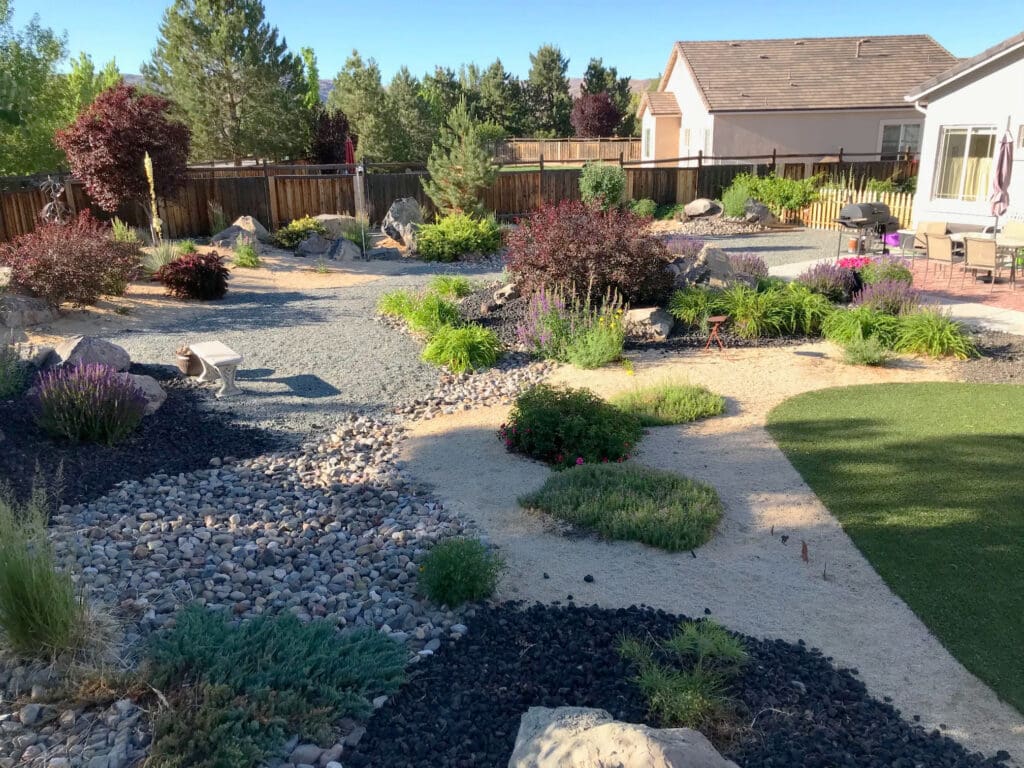
At Little City Landscaping, we know that drought-tolerant landscapes can be lush, colorful, and inviting without heavy watering. The key lies in creating harmonious combinations of plants that complement one another in texture, color, and water needs. For example, pairing Indian Ricegrass (Achnatherum hymenoides) with Mahonia repens (Creeping Oregon Grape) creates a balanced and dynamic visual. The soft, feathery texture of Indian Ricegrass contrasts beautifully with the bold, evergreen foliage and yellow blooms of Mahonia.
Grouping plants with similar irrigation needs is also essential. Combining Tipuana tipu (Tipu Tree) with Dodonaea viscosa (Hopseed Bush) ensures both thrive with consistent, moderate watering schedules. This approach reduces maintenance and minimizes the risk of over- or under-watering. By thoughtfully grouping plants, you save water and create a cohesive, stress-free landscape.
For added color and seasonal variety, I love pairing Callistemon ‘Little John’ (Dwarf Bottlebrush) with Phlox subulata (Creeping Phlox). The Bottlebrush adds bright red blooms and structure, while Phlox provides a soft, colorful carpet of spring flowers. Both species attract pollinators and perform well in zones 6b–7b, thriving in Reno’s variable temperatures and dry conditions.
Texture and color play vital roles in designing drought-tolerant gardens. Proper spacing and contrast between fine and bold foliage help establish visual balance and year-round appeal. For example, combining Salvia dorrii (Purple Desert Sage) with Acer glabrum (Rocky Mountain Maple) brings structure and softness together. Sage delivers seasonal purple blooms and a delicate fragrance, while the Maple anchors the garden with rich green leaves that turn vibrant red in fall.
Color selection is equally important. Choosing hardy flowering plants such as Lantana, Gaillardia (Blanket Flower), or Echinacea purpurea (Purple Coneflower) ensures bold, long-lasting color even during dry periods. Pairing them with sculptural succulents like Aloe aristata or Sedum spectabile (Showy Stonecrop) creates a dynamic, low-maintenance look. These combinations thrive across USDA zones 6b–7b, offering both resilience and beauty.
Not every plant can withstand Reno’s hot summers and cold winters, which is why local expertise is crucial. At Little City Landscaping, we help clients choose species that naturally thrive in Northern Nevada’s unique conditions. Plants such as Artemisia tridentata (Big Sagebrush), Mahonia repens, Indian Ricegrass, and Creeping Oregon Grape are ideal—they’re hardy, low-maintenance, and adapted to our region’s soil and temperature fluctuations.
Other great choices include Prunus andersonii (Desert Peach), Ericameria nauseosa (Rubber Rabbitbrush), and Penstemon strictus (Rocky Mountain Beardtongue), which provide seasonal blooms, attract pollinators, and add visual interest throughout the year. By selecting plants suited to USDA zones 6b–7b, you’ll enjoy a landscape that remains vibrant through all seasons while minimizing water use and maintenance.
Creating a drought-tolerant landscape in Reno and Sparks is about blending beauty with sustainability. With the right plant combinations and thoughtful design, you can reduce water use without sacrificing color, texture, or charm. Whether you want to reimagine your yard or add a few resilient species, our team at Little City Landscaping is here to help bring your vision to life.
Contact Little City Landscaping and together we can transform your yard into a stunning, water-wise oasis that thrives in our Northern Nevada climate—proof that conservation and beauty can absolutely go hand in hand.
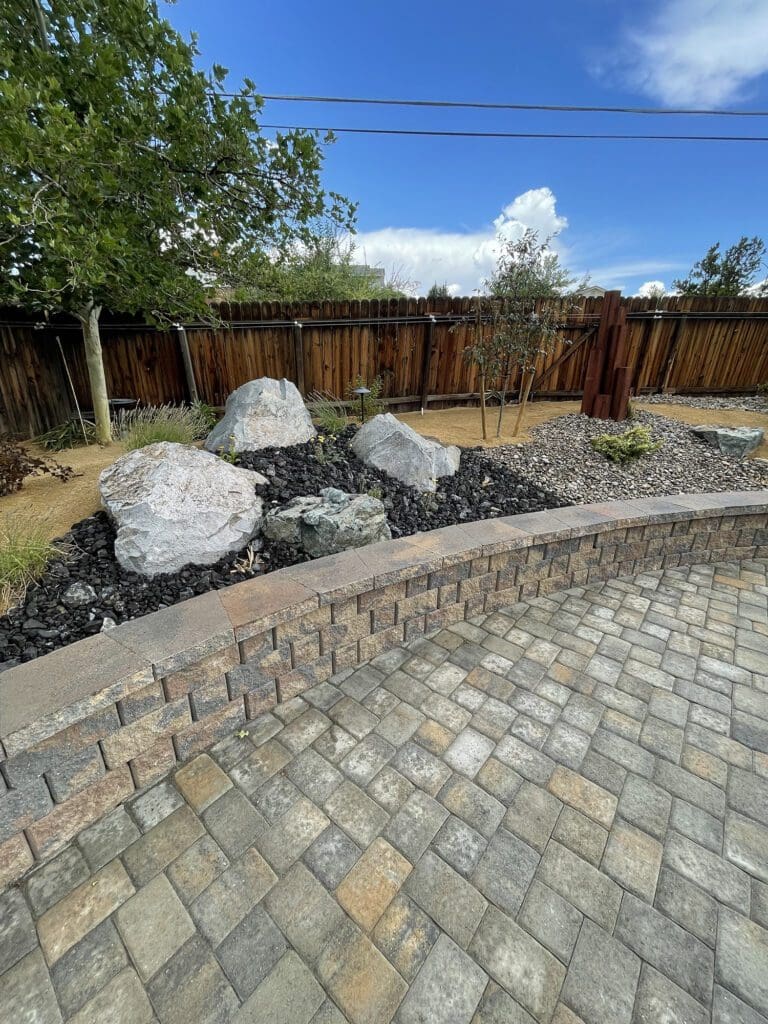
When deciding between paver patios and concrete for your Reno home, understanding how each material withstands the local climate can help you make an informed choice. Reno’s climate presents some specific challenges, including freeze-thaw cycles in winter and hot, dry summers. These conditions can cause conventional poured concrete to crack and deteriorate over time. By choosing pavers, you invest in a resilient option designed to handle these shifts, helping your outdoor living space stay attractive and functional for years. If you’ve been frustrated by failing concrete and want an upgrade that lasts, learning the benefits of pavers could be the key.
Reno’s hot summers cause surface wear in concrete, leading to cracks and deterioration. Concrete is a rigid material, and as temperatures spike, it expands and contracts. This movement stresses the concrete slab, often resulting in visible cracks or structural damage. The frequent freeze-thaw cycles common in the Reno area compound this problem, as water seeps into cracks, freezes, and expands, worsening damage.
Unlike concrete, pavers are laid individually and interlocked, allowing them to flex with soil movement and temperature changes. This flexibility helps prevent the structural damage rigid concrete experiences. When the ground beneath expands or contracts, pavers adjust slightly without cracking, maintaining a stable surface. This characteristic makes pavers particularly suited for seasonal cycles and soil expansion in Reno.
Moreover, this flexibility means paver patios and driveways retain their integrity and appearance longer than concrete in our climate. By allowing natural movement without breaking, pavers reduce the need for premature replacement or costly repairs. Choosing Little City Landscaping as your pavers helps you avoid the frustrations, eyesores, and expenses associated with cracked concrete surfaces over time.
While it is true that installing pavers can cost more upfront compared to poured concrete, their repairability changes the long-term cost dynamic significantly. If individual pavers become damaged or stained, you can replace or repair just those pieces without disturbing the entire surface. This adds convenience and cost savings over time because you don’t need to remove and redo large slabs of concrete.
Concrete cracks often require expensive patching or full replacement of the slab, which is disruptive and costly. Paving repairs tend to be smaller scale and quicker, minimizing downtime and labor expenses. This makes pavers a more practical investment in an area like Reno, where the climate causes repeated concrete damage.
Additionally, pavers can maintain their functionality and curb appeal for decades with minimal maintenance, while concrete’s rigid surface often requires more frequent repairs after cracking. When factoring in these ongoing costs, pavers are generally more economical in the long run despite a higher initial price. This long-term durability ensures your landscape investment pays off.
One of the key design features of pavers is the small joints between each stone, which allow water to drain naturally instead of pooling on the surface. These joints enable rainwater and melting snow to run off more efficiently, rather than collecting as ice patches, which can be hazardous during the winter seasons.
Concrete surfaces are generally impermeable and smooth, causing water to collect in low spots. In Reno’s freeze-thaw climate, this standing water freezes, forming ice that can be slippery and damage the concrete surface. Pooling water also accelerates concrete deterioration as freeze expansion forces cracks to widen.
Paver joints, filled with polymeric sand, promote better drainage, reducing the likelihood of water buildup on your patio or driveway. This capacity to facilitate natural water flow protects both the surface’s longevity and your safety during winter months. Choosing pavers helps you avoid the common pitfalls linked to ice damage on concrete.
Beyond durability and maintenance benefits, pavers offer an aesthetic advantage that concrete cannot match. Their range of styles, textures, and colors can enhance your home’s exterior and elevate its curb appeal. With a professional installation from experienced, licensed contractors, pavers create a timeless look that fits many architectural styles.
A well-installed paver patio or driveway can last over 30 years with minimal upkeep, maintaining both beauty and function. The interlocking system holds up over decades, resisting shifting that can mar concrete surfaces. This longevity combined with attractive design options helps protect your property’s value.
Unlike concrete, which can quickly look stained, cracked, or worn in Reno’s climate, pavers age gracefully. Choosing pavers means investing in a living landscape element that improves your home’s appearance year after year, enhancing neighborhood charm and personal enjoyment.
Concrete’s limitations in Reno’s freeze-thaw cycles and hot summers often lead to cracking, costly repairs, and premature replacement. Pavers actively counter these challenges with flexibility, repairability, and superior water drainage. Their design inherently adapts to our climate while adding lasting beauty to your outdoor space.
If your current concrete surfaces frustrate you with cracks and damage caused by soil movement and weather, switching to pavers offers a practical, long-lasting solution. Beyond performance, pavers contribute to your home’s curb appeal and provide peace of mind for decades with minimal maintenance.
Contact Little City Landscape today to explore paver patios and driveways tailored to Reno’s unique conditions. Let professional paver contractors near you create a durable, attractive outdoor space that stands up to the climate instead of fighting it. This upgrade is an investment in quality, longevity, and curb appeal you can enjoy for years to come.
Reno homeowners are increasingly seeking innovative ways to enhance their outdoor spaces. As landscaping trends evolve, more emphasis is being placed on sustainability, functionality, and natural beauty. Whether the goal is to reduce water consumption, attract pollinators, or create a seamless transition between indoor and outdoor living, 2025 presents new opportunities for homeowners to rethink their landscapes.
Implementing these trends ensures a backyard that is both visually appealing and well-suited to Northern Nevada’s climate. By working with a professional landscaping team, homeowners can transform their outdoor spaces into beautiful, functional retreats.
Sustainability continues to be a top priority in landscaping design. With Reno’s dry climate, embracing drought-tolerant plants, rain gardens, and composting can significantly reduce water usage while maintaining a lush, green space.
Using native plants such as sagebrush, lupine, and rabbitbrush helps conserve water and supports local wildlife. Incorporating permeable hardscaping materials, such as gravel and decomposed granite, improves drainage and reduces runoff. Composting and mulching further enrich the soil, reducing the need for synthetic fertilizers. Homeowners looking for low-maintenance, environmentally conscious landscaping solutions are increasingly turning to these sustainable practices.
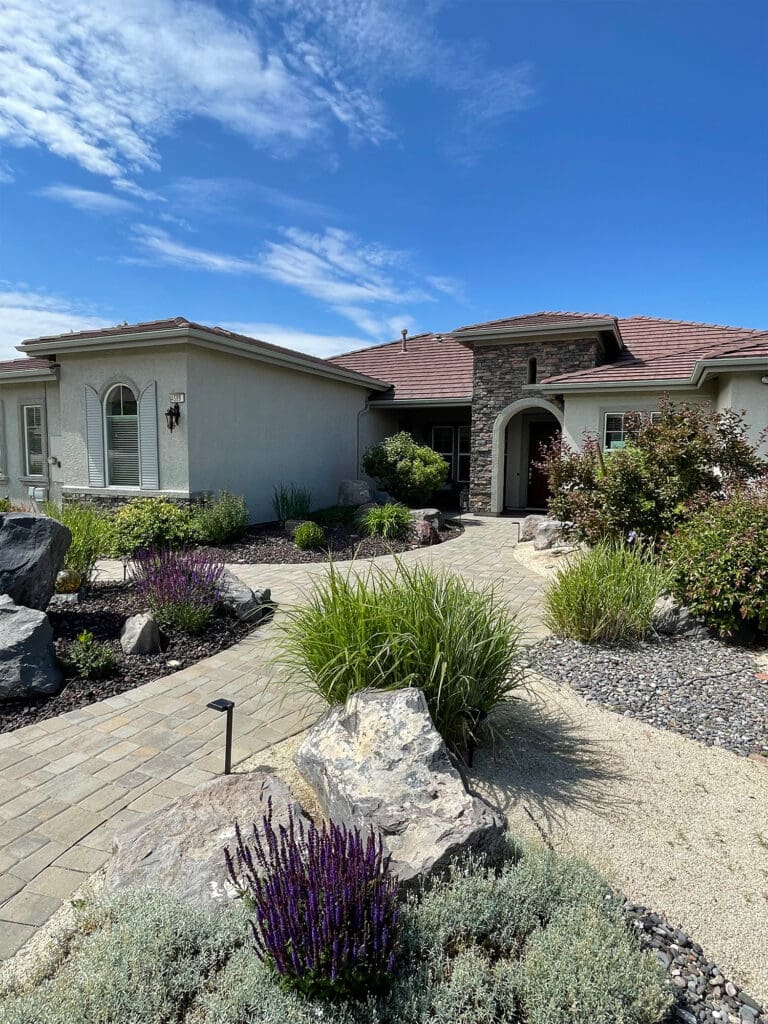
Backyards are no longer just for gardening; they are now extensions of the home. The demand for outdoor kitchens, fire pits, and multi-purpose seating areas continues to grow as homeowners seek to create functional outdoor living spaces.
A well-designed backyard can include defined areas for relaxation, dining, and entertainment. Features like built-in seating, pergolas for shade, and ambient lighting enhance usability while creating a comfortable and inviting atmosphere. These elements not only increase property value but also make outdoor spaces more enjoyable year-round.
Landscaping trends in 2025 emphasize the importance of planting native and pollinator-friendly species. Native plants naturally thrive in Reno’s climate, requiring minimal maintenance while providing food and habitat for bees, butterflies, and other beneficial insects.
Popular choices include milkweed, yarrow, and penstemon, which add vibrant color while supporting biodiversity. Grouping plants based on their water and sunlight needs ensures they grow efficiently with minimal upkeep. These selections help create a resilient, thriving landscape that contributes to the region’s ecosystem.
Water conservation remains a key concern for Reno homeowners, making smart irrigation systems a crucial investment. Upgrading to drip irrigation with automated timers helps reduce water waste by delivering moisture directly to plant roots.
Soil moisture sensors and weather-responsive irrigation controllers further optimize water usage, adjusting output based on real-time environmental conditions. These systems prevent overwatering and ensure that landscapes remain healthy while keeping water bills in check. Investing in modern irrigation technology is an effective way to maintain a green and efficient outdoor space.
Homeowners in Reno looking to embrace 2025’s top landscaping trends can benefit from professional guidance. Thoughtful design, expert installation, and proper maintenance ensure that outdoor spaces remain both beautiful and functional. By integrating sustainable gardening, outdoor living spaces, native plant selections, and smart irrigation, any backyard can be transformed into a thriving, low-maintenance retreat.
Those ready to enhance their landscapes can explore tailored solutions that fit their unique vision. Contact Little City Landscape today to schedule a consultation and start creating a backyard that blends aesthetics with long-term sustainability.
Pavers are a beautiful and durable addition to outdoor spaces, offering both functionality and aesthetic appeal. However, like any investment in your home, they require proper care to maintain their pristine condition over time. For homeowners who value design, quality, and long-term durability, understanding the basics of paver maintenance can help preserve the beauty and functionality of their outdoor areas. Little City Landscape, a trusted name in Reno for professional paver installation and maintenance, provides expert guidance on keeping your pavers looking new. Whether it’s a patio, walkway, or driveway, these practical tips ensure your outdoor spaces remain as stunning as the day they were installed.
Keeping pavers clean is one of the simplest ways to maintain their appearance and prevent long-term damage. Dirt, debris, and organic matter can accumulate on the surface over time, leading to discoloration or even weed growth between the joints.
Weed growth between pavers can be both unsightly and damaging over time. Applying polymeric sand during installation or maintenance creates hardened joints that inhibit weed growth while stabilizing the pavers. Regular inspections and prompt removal of any emerging weeds ensure they don’t take root or spread further.
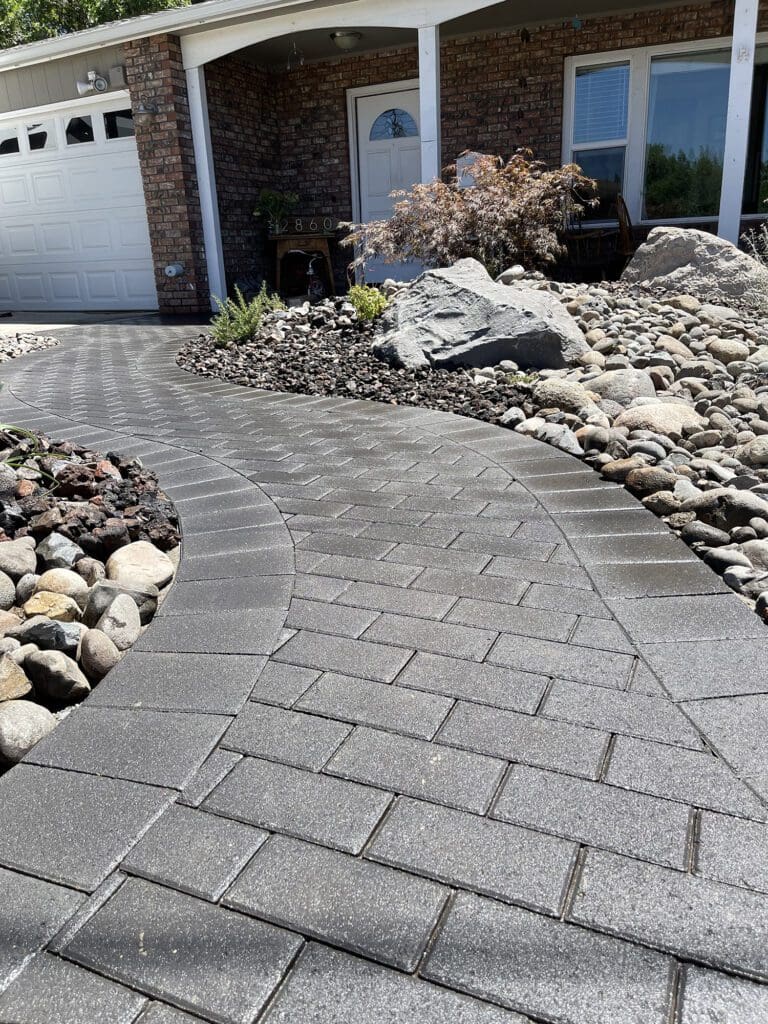
Sealing pavers is an essential step in protecting them from weathering, staining, and wear caused by daily use or exposure to the elements. A high-quality sealer enhances the color and texture of the pavers while providing a protective barrier against moisture, oil spills, and UV rays.
For homeowners with a keen eye for design, choosing the right sealer—whether matte, semi-gloss, or high-gloss—can enhance the overall aesthetic of their outdoor space. Professional assistance ensures even application and long-lasting results that align with your vision.
Over time, environmental factors or regular use may cause minor issues such as shifting, cracking, or chipping in pavers. Addressing these problems promptly prevents them from escalating into more significant concerns that could compromise the integrity of your outdoor space.
Engaging professional contractors ensures repairs are performed with precision and care, preserving both the functionality and design of your paved areas.
Each season presents unique challenges for maintaining pavers, especially in Northern Nevada’s climate where temperature fluctuations and weather conditions can impact outdoor surfaces.
By adapting maintenance practices to seasonal changes, homeowners can protect their investment year-round while ensuring their outdoor spaces remain attractive and functional.
Maintaining pavers requires expertise to ensure every detail is handled correctly—from cleaning techniques to sealing applications and repairs. Little City Landscape specializes in providing professional maintenance services tailored to meet each homeowner’s needs. Their team emphasizes:
For discerning homeowners who value professionalism and quality craftsmanship, Little City Landscape offers peace of mind knowing their outdoor investments are in expert hands.
Maintaining your pavers doesn’t have to be overwhelming when you work with trusted professionals who understand your needs. Whether you’re looking for routine cleaning services or need assistance with sealing or repairs, Little City Landscape is here to help. Contact Little City Landscape today for expert advice on maintaining your outdoor spaces—or schedule a consultation for professional services tailored specifically for you! Call now or visit their website to get started.