
You probably landed on this page because your yard feels a little tired, or your outdoor space still runs on an old slab that never matched your life. Reno has a way of making people want to get outside more, host more, and build spaces that feel personal. When I reviewed the kind of hardscape reno work Little City Landscape puts together, the big difference was the design mindset. You get a yard that feels like Reno, not a generic template that could sit in any city.
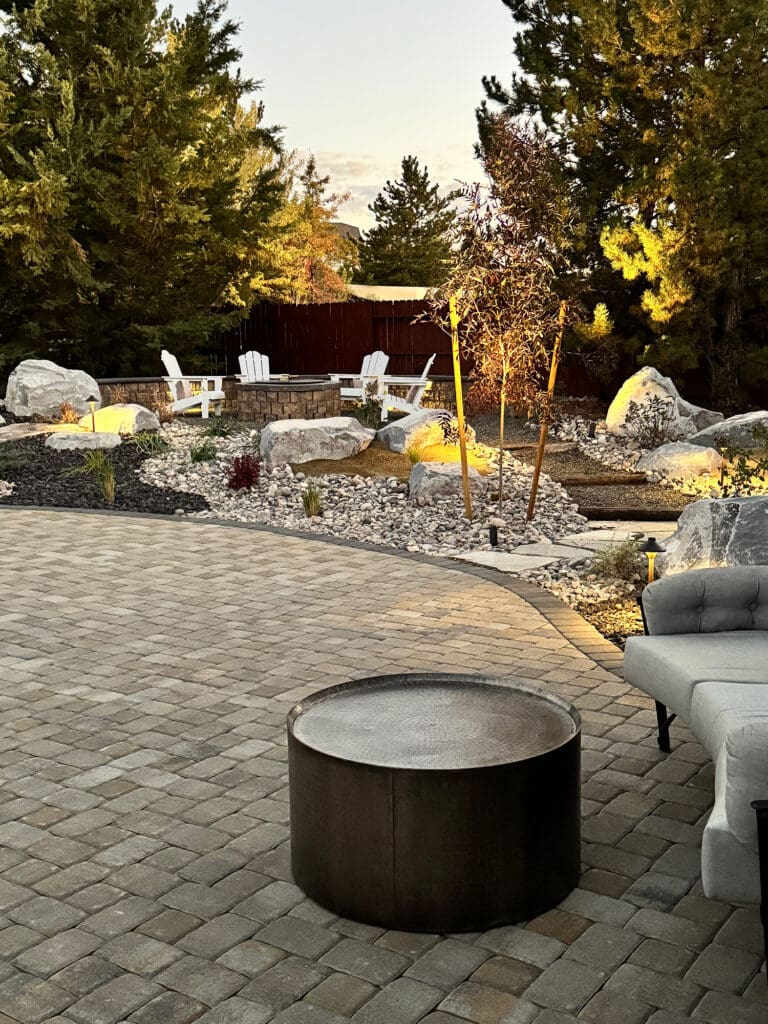
Reno gives you permission to mix textures, shapes, and a little desert art without making it feel forced. You can pull ideas from murals, festival builds, and the way locals blend grit with comfort. Instead of copying a showroom look, you can borrow Reno’s playful geometry and translate it into walkways, patios, and seating areas. Little City Landscape approaches that translation like a reviewer would hope a true designer does, with a plan that fits your home and your habits. You end up with a hardscape reno concept that feels local, not trendy.
You can start with Tahoe-inspired natural stone to keep things grounded and timeless. Stone steps, boulder accents, and warm-toned rock features pair well with the high-desert setting. Then you can layer in geometric patterns through paver layouts, inlay bands, or repeating shapes that guide the eye. Those patterns can nod to Burning Man creativity without turning your yard into a theme park. The result feels artistic, but you still live in it every day.
Lighting matters more than most people expect, especially when you want the yard to feel like an entertainment hub. Low-voltage hardscape lighting can outline paths, highlight stone textures, and make gatherings feel easier after sunset. You can build light into seat walls, steps, and planter edges so the glow feels integrated instead of tacked on. When you work with Little City Landscape, you get a lighting plan that supports the design rather than fighting it. That’s the point where inspiration turns into a hardscape in Reno you actually want to use.
A good hardscape does more than fill space, because it sets the tone for how you spend time outside. You might love long dinners, casual drinks with friends, or quiet mornings with coffee and a book. Your layout should reflect that, with zones that make sense and pathways that feel natural. I noticed Little City Landscape tends to ask the right questions so the design follows your routines. That approach helps your hardscape reno feel like an extension of your home, not a separate project.
Seating can carry a lot of your story without shouting for attention. A curved seat wall encourages conversation and keeps the space feeling welcoming. A small raised terrace can create a “front row” for sunsets or weekend hangouts. You can tuck in a fire feature that fits Reno nights, and you can choose options that keep smoke low and comfort high. Those details make the hardscape feel lived-in, not staged.
Hidden tech can make your outdoor space feel effortless when you host. You can build in discreet outlets for lighting, music, or a small outdoor fridge setup. You can plan for speakers that blend into planting areas instead of dominating the design. You can also create spots where a projector setup works without a mess of cords. Little City Landscape designs these elements as part of the hardscape reno from the start, which helps you avoid awkward retrofits later.
Reno’s personality feels layered, and your hardscape can match that with shape and movement. A simple square pad usually leaves your yard feeling flat, even if you add furniture. You can create a more dynamic space with angled edges, curved transitions, and terraces that follow the natural flow of your property. When I looked at Little City Landscape projects, the boldness came from layout choices, not flashy materials. That’s a smart way to keep your hardscape reno expressive while still practical.
Breaking a space into levels can add interest and function at the same time. A lower lounge zone can feel cozy and protected from wind. A slightly raised dining zone can give you better views and clearer circulation. Steps and landings also give you opportunities for integrated lighting and stone detailing. These moves make the yard feel designed, not just resurfaced.
Geometric patterns can bring that Reno edge without drifting into sterile design. Think repeating lines, directional changes, and inlays that guide guests toward gathering zones. You can use contrasting stone tones or texture changes to define areas instead of relying on tall dividers. This approach keeps the yard open and social while still organized. Little City Landscape uses pattern as a tool to shape experience, which is exactly what you want in a hardscape reno.
Bolder hardscapes also help you solve common Reno yard issues in a natural way. You can steer drainage with subtle grading and intentional channeling around stone features. You can create walkways that stay comfortable underfoot even when the summer sun hits hard. You can shape spaces to block harsh winds without making the yard feel closed in. Those practical choices support long-term living, which matters if you plan to stay in Reno for years.
Reno homeowners often want something personal, but they also want it to feel like it belongs here. The high desert has its own palette, textures, and weather patterns, and your hardscape should respect that. You can blend artistic desert flair with Tahoe-inspired stone so the yard feels balanced and regional. I’ve seen plenty of hardscapes that ignore the setting and end up feeling disconnected. Little City Landscape leans into the local feel, which helps your hardscape reno land in the right place.
You can create an entertainment hub that still feels relaxed and natural. A stone gathering circle encourages people to linger without forcing a formal arrangement. A built-in prep ledge or serving surface can keep food and drinks organized during get-togethers. You can add subtle lighting that keeps the mood comfortable while still making the space safe to move around. Those choices bring Reno’s social energy into your backyard in a way you can maintain.
Art can show up in small, intentional ways that still feel bold. You can use a sculptural boulder placement, a patterned landing, or a feature wall that plays with texture and shadow. You can also create pockets for rotating decor, planters, or locally inspired pieces that change over time. That flexibility lets your yard evolve without tearing everything out. A designer-led hardscape reno gives you a strong base that still leaves room for creativity.
The best part of leaning into Reno’s spirit is that you stop chasing a one-size-fits-all look. You start building something that reflects your taste, your gatherings, and the way you enjoy Northern Nevada. If you want more than a quick knock-out job, you need a team that designs before they build and builds with intention. Little City Landscape fits that role, based on what I’ve reviewed in their approach and results. Your next step can stay simple: collect a few ideas you love, then contact Little City Landscape to schedule a design consultation and turn those ideas into a hardscape reno plan that feels like you.
As you prepare for fire season in Reno, it's crucial to take proactive measures to protect your landscaping and property. Creating defensible zones around your property is a key strategy to reduce the risk of wildfires spreading. This involves regular maintenance, choosing fire-resistant plants, and incorporating hardscaping to create safe pathways. By taking these steps, you can significantly reduce the threat of wildfires to your home and community. Regular updates to your landscaping will also ensure that your property remains safe and visually appealing throughout the year.
Regular Maintenance: A Key to Reducing Wildfire Risk in Landscape in Reno
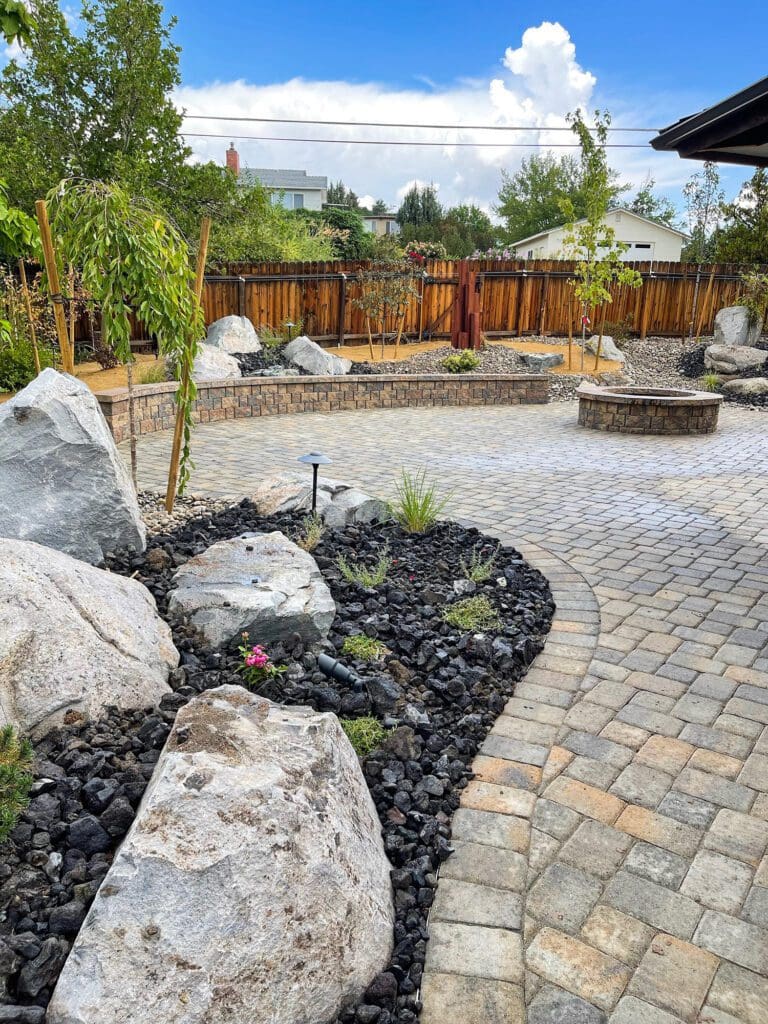
Regular maintenance is essential to reduce damage to both your community and home during fire season. This includes removing dead or flammable vegetation, pruning trees, and ensuring that your yard is free from debris. By maintaining a clean and well-manicured yard, you reduce the continuous fuel bed that could otherwise spread fire quickly. Additionally, regular inspections can help identify potential fire hazards early, allowing you to address them before they become serious issues. Contacting a professional service can provide you with tailored advice and assistance to maintain your property effectively.
Proper maintenance also involves managing vegetation density and spacing. This can be achieved by thinning out dense areas of plants and trees, which helps prevent fire from spreading rapidly across your property. Furthermore, maintaining a consistent watering schedule ensures that plants remain healthy and less susceptible to ignition. Regularly inspecting your property for any signs of fire risk will also help you stay ahead of potential threats. By integrating these practices into your routine, you can help safeguard your property and contribute to a safer community.
Regular maintenance is not a one-time task; it requires ongoing effort to maintain effectiveness. As the seasons change, so do the needs of your landscaping. Adjusting your maintenance schedule accordingly will ensure that your property remains protected throughout the year. This might involve seasonal pruning, mulching, or other activities that help maintain fire resistance. By prioritizing regular maintenance, you not only protect your property but also play a role in reducing the overall fire risk in your community. Moreover, maintaining a well-kept property can enhance its aesthetic appeal and increase its value.
Creating a Fire Break: A Crucial Step in Reno
Creating a fire break is necessary when living in Reno, as it provides a critical barrier between your property and any approaching wildfires. This involves designing a fire-resistant buffer zone around your home, which can help stop or slow the spread of fire. Fire breaks often incorporate hardscaping elements like stone walls, patios, or gravel, which are less likely to burn than vegetation. Additionally, selecting fire-resistant plants for your landscaping can further enhance this buffer zone. By creating a fire break, you provide firefighters with a safer area to defend your home from an approaching fire.
A well-designed fire break should be tailored to the specific needs of your property. This might involve removing flammable vegetation and replacing it with fire-resistant alternatives. It's important to consider the layout of your property and ensure that the fire break is positioned effectively to maximize its protective benefits. Consulting with a professional can help you design a fire break that meets your property's unique requirements. By integrating a fire break into your landscaping, you significantly reduce the risk of wildfire damage to your property. This proactive approach not only protects your home but also contributes to a safer community environment.
Incorporating fire-resistant plants into your landscaping is another effective way to enhance your fire break. These plants are less likely to burn and can help slow the spread of fire. By choosing plants that are green, well-irrigated, and spaced appropriately, you can further reduce the risk of wildfires. It's also important to maintain these plants regularly to ensure they remain healthy and effective. By combining these strategies, you can create a robust fire break that protects your property during fire season. Additionally, maintaining a well-planned fire break can enhance the overall appearance of your landscaping.
Healthy and Hydrated Plants: Slowing Fire Spread
Healthy and hydrated plants burn slower, which is crucial in slowing the spread of wildfires. Proper irrigation systems, such as drip irrigation, can help keep your plants well-watered without wasting water. This not only enhances their fire resistance but also supports their overall health. By maintaining a consistent watering schedule, you ensure that your plants remain less susceptible to ignition. Regular inspections will also help identify any areas where plants may be struggling, allowing you to address these issues promptly.
Well-irrigated plants are more resistant to fire because they contain more moisture, making them less likely to burn quickly. This is particularly important in areas prone to wildfires, as it can provide valuable time for firefighters to respond effectively. Additionally, using plants that are known to be fire-resistant can further enhance this protective effect. While no plants are completely fireproof, choosing those that are less likely to burn can significantly reduce the risk of wildfire damage. By integrating these strategies into your landscaping, you can create a safer and more resilient environment.
Maintaining healthy and hydrated plants also involves ensuring they receive adequate nutrients and sunlight. This can be achieved through regular fertilization and pruning, which helps maintain plant health and appearance. By combining these practices with proper irrigation and fire-resistant plant selection, you can create a robust defense against wildfires. Moreover, maintaining healthy plants can enhance the aesthetic appeal of your property, making it both safer and more visually appealing. By prioritizing plant health, you contribute to a safer community environment.
Hardscaped Exit Routes: Ensuring Safety
Hardscaped exit routes are essential for ensuring safety during wildfires. These routes provide a clear path for evacuation and can help guide firefighters to your property. By incorporating materials like gravel, rock, or concrete into your landscaping, you create pathways that are less likely to catch fire. This not only enhances safety but also provides a clear visual indication of where to go in case of an emergency. Additionally, well-designed hardscaped routes can enhance the overall appearance of your property.
Hardscaped exit routes should be carefully planned to ensure they are safe and accessible. This involves considering the layout of your property and identifying the most direct and safest paths for evacuation. It's important to ensure that these routes are clear of debris and obstacles, which can pose a risk during emergency situations. By maintaining these routes regularly, you can provide a safe and reliable means of exit in case of a wildfire. This proactive approach not only protects your property but also enhances community safety.
Incorporating hardscaped exit routes into your landscaping can also provide additional benefits. These routes can help delineate different areas of your property, enhancing its visual appeal. Additionally, they can serve as a guide for firefighters, directing them to safe areas from which to defend your home. By integrating hardscaped exit routes into your overall landscaping strategy, you can create a safer and more resilient property environment. This approach not only protects your home but also contributes to a safer community.
Closing the Gap: Protecting Your Property with Comprehensive Strategies
By combining regular maintenance, fire breaks, healthy plants, and hardscaped exit routes, you can create a comprehensive strategy to protect your property from wildfires in Reno. Each of these elements plays a crucial role in reducing the risk of fire damage and enhancing overall safety. As you prepare for fire season, consider reaching out to a professional service to help you implement these strategies effectively. They can provide tailored advice and assistance to ensure your property remains protected and visually appealing throughout the year. By prioritizing these measures, you not only safeguard your home but also contribute to a safer community environment. Contact us today to schedule a consultation and get expert guidance tailored to your Reno home.
Pavers are a beautiful and durable addition to outdoor spaces, offering both functionality and aesthetic appeal. However, like any investment in your home, they require proper care to maintain their pristine condition over time. For homeowners who value design, quality, and long-term durability, understanding the basics of paver maintenance can help preserve the beauty and functionality of their outdoor areas. Little City Landscape, a trusted name in Reno for professional paver installation and maintenance, provides expert guidance on keeping your pavers looking new. Whether it’s a patio, walkway, or driveway, these practical tips ensure your outdoor spaces remain as stunning as the day they were installed.
Keeping pavers clean is one of the simplest ways to maintain their appearance and prevent long-term damage. Dirt, debris, and organic matter can accumulate on the surface over time, leading to discoloration or even weed growth between the joints.
Weed growth between pavers can be both unsightly and damaging over time. Applying polymeric sand during installation or maintenance creates hardened joints that inhibit weed growth while stabilizing the pavers. Regular inspections and prompt removal of any emerging weeds ensure they don’t take root or spread further.
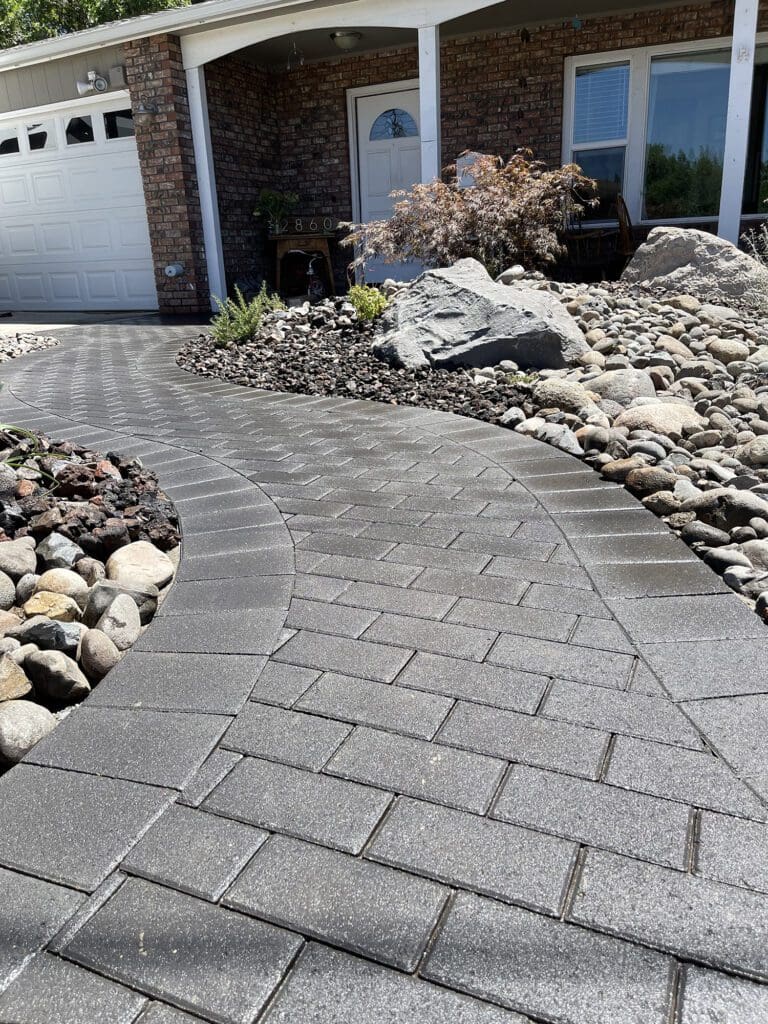
Sealing pavers is an essential step in protecting them from weathering, staining, and wear caused by daily use or exposure to the elements. A high-quality sealer enhances the color and texture of the pavers while providing a protective barrier against moisture, oil spills, and UV rays.
For homeowners with a keen eye for design, choosing the right sealer—whether matte, semi-gloss, or high-gloss—can enhance the overall aesthetic of their outdoor space. Professional assistance ensures even application and long-lasting results that align with your vision.
Over time, environmental factors or regular use may cause minor issues such as shifting, cracking, or chipping in pavers. Addressing these problems promptly prevents them from escalating into more significant concerns that could compromise the integrity of your outdoor space.
Engaging professional contractors ensures repairs are performed with precision and care, preserving both the functionality and design of your paved areas.
Each season presents unique challenges for maintaining pavers, especially in Northern Nevada’s climate where temperature fluctuations and weather conditions can impact outdoor surfaces.
By adapting maintenance practices to seasonal changes, homeowners can protect their investment year-round while ensuring their outdoor spaces remain attractive and functional.
Maintaining pavers requires expertise to ensure every detail is handled correctly—from cleaning techniques to sealing applications and repairs. Little City Landscape specializes in providing professional maintenance services tailored to meet each homeowner’s needs. Their team emphasizes:
For discerning homeowners who value professionalism and quality craftsmanship, Little City Landscape offers peace of mind knowing their outdoor investments are in expert hands.
Maintaining your pavers doesn’t have to be overwhelming when you work with trusted professionals who understand your needs. Whether you’re looking for routine cleaning services or need assistance with sealing or repairs, Little City Landscape is here to help. Contact Little City Landscape today for expert advice on maintaining your outdoor spaces—or schedule a consultation for professional services tailored specifically for you! Call now or visit their website to get started.