
Reno homeowners are increasingly seeking innovative ways to enhance their outdoor spaces. As landscaping trends evolve, more emphasis is being placed on sustainability, functionality, and natural beauty. Whether the goal is to reduce water consumption, attract pollinators, or create a seamless transition between indoor and outdoor living, 2025 presents new opportunities for homeowners to rethink their landscapes.
Implementing these trends ensures a backyard that is both visually appealing and well-suited to Northern Nevada’s climate. By working with a professional landscaping team, homeowners can transform their outdoor spaces into beautiful, functional retreats.
Sustainability continues to be a top priority in landscaping design. With Reno’s dry climate, embracing drought-tolerant plants, rain gardens, and composting can significantly reduce water usage while maintaining a lush, green space.
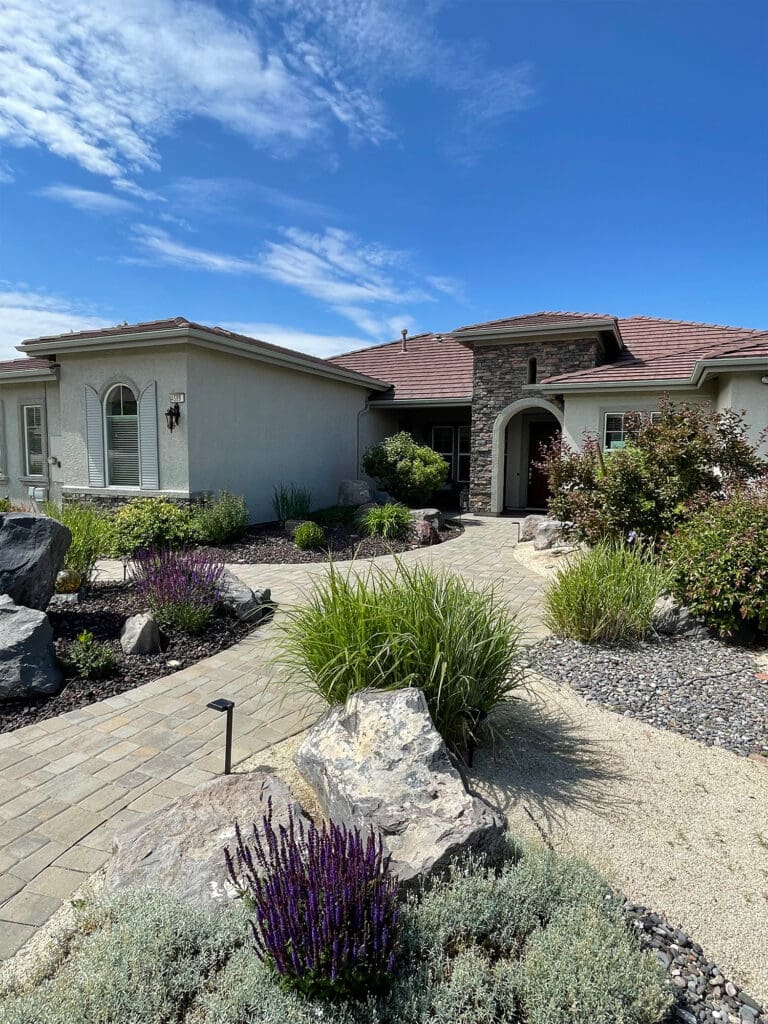
Using native plants such as sagebrush, lupine, and rabbitbrush helps conserve water and supports local wildlife. Incorporating permeable hardscaping materials, such as gravel and decomposed granite, improves drainage and reduces runoff. Composting and mulching further enrich the soil, reducing the need for synthetic fertilizers. Homeowners looking for low-maintenance, environmentally conscious landscaping solutions are increasingly turning to these sustainable practices.
Backyards are no longer just for gardening; they are now extensions of the home. The demand for outdoor kitchens, fire pits, and multi-purpose seating areas continues to grow as homeowners seek to create functional outdoor living spaces.
A well-designed backyard can include defined areas for relaxation, dining, and entertainment. Features like built-in seating, pergolas for shade, and ambient lighting enhance usability while creating a comfortable and inviting atmosphere. These elements not only increase property value but also make outdoor spaces more enjoyable year-round.
Landscaping trends in 2025 emphasize the importance of planting native and pollinator-friendly species. Native plants naturally thrive in Reno’s climate, requiring minimal maintenance while providing food and habitat for bees, butterflies, and other beneficial insects.
Popular choices include milkweed, yarrow, and penstemon, which add vibrant color while supporting biodiversity. Grouping plants based on their water and sunlight needs ensures they grow efficiently with minimal upkeep. These selections help create a resilient, thriving landscape that contributes to the region’s ecosystem.
Water conservation remains a key concern for Reno homeowners, making smart irrigation systems a crucial investment. Upgrading to drip irrigation with automated timers helps reduce water waste by delivering moisture directly to plant roots.
Soil moisture sensors and weather-responsive irrigation controllers further optimize water usage, adjusting output based on real-time environmental conditions. These systems prevent overwatering and ensure that landscapes remain healthy while keeping water bills in check. Investing in modern irrigation technology is an effective way to maintain a green and efficient outdoor space.
Homeowners in Reno looking to embrace 2025’s top landscaping trends can benefit from professional guidance. Thoughtful design, expert installation, and proper maintenance ensure that outdoor spaces remain both beautiful and functional. By integrating sustainable gardening, outdoor living spaces, native plant selections, and smart irrigation, any backyard can be transformed into a thriving, low-maintenance retreat.
Those ready to enhance their landscapes can explore tailored solutions that fit their unique vision. Contact Little City Landscape today to schedule a consultation and start creating a backyard that blends aesthetics with long-term sustainability.
In Reno, small yards are a common challenge for homeowners looking to create beautiful and functional outdoor spaces. Limited square footage, combined with the region's arid climate, requires thoughtful planning and creative solutions. With the right approach, even the smallest yards can be transformed into stunning landscapes that maximize usability and reflect personal style. This blog explores practical ideas tailored to Reno’s unique environment, helping homeowners envision how their outdoor spaces can be reimagined.
When space is limited, thinking vertically can open up new possibilities. Vertical gardens, trellises, and pergolas provide an excellent way to add greenery without taking up ground space. These features not only enhance the visual appeal of a yard but also create depth and dimension, making the area feel larger than it is.Vertical gardens are particularly versatile. They can be used to grow herbs, flowers, or even vegetables, offering both beauty and functionality. For example, a wall-mounted herb garden near an outdoor cooking area adds a practical touch while keeping the yard organized. Trellises adorned with climbing plants like jasmine or clematis can also serve as natural privacy screens, ideal for creating a cozy and secluded atmosphere.Pergolas are another fantastic option for small yards in Reno. These structures provide shade during hot summer months while supporting climbing plants that thrive in the local climate. Incorporating these vertical elements into your landscape design not only saves space but also adds character and charm to your yard.
Small yards benefit greatly from thoughtful organization. Dividing the space into distinct functional zones ensures that every square foot serves a purpose. For example, one area could be designated for dining with a small bistro set or compact outdoor table, while another might feature a cozy seating arrangement for relaxation.Hardscaping elements like paver patios or retaining walls can subtly define these zones without making the yard feel confined. Outdoor rugs or strategically placed planters are also effective tools for delineating spaces while maintaining an open and inviting atmosphere.Functional zoning allows homeowners to enjoy multiple activities in their yard without feeling cramped. Whether it’s hosting friends for an evening barbecue or simply unwinding with a book in a quiet corner, creating dedicated areas ensures the yard meets all of its users' needs.
Reno’s dry climate calls for landscaping choices that prioritize water efficiency and durability. Native plants are an excellent option as they are naturally adapted to the region’s conditions and require minimal maintenance. Incorporating drought-tolerant species like sagebrush, lavender, or creeping thyme can add vibrant color and texture to your landscape while conserving water.Native plants also support local wildlife by providing habitats for pollinators such as bees and butterflies. This not only enhances the ecological value of your yard but also creates a dynamic and lively outdoor space.Grouping plants with similar water needs is another sustainable practice that works well in small yards. By zoning plants based on their irrigation requirements, homeowners can reduce water waste and simplify maintenance. Adding mulch around plant beds further helps retain soil moisture and keeps roots cool during Reno’s hot summers.
A focal point is essential in small yard landscaping as it draws attention and creates a sense of purpose within the space. This could be anything from a compact fire pit surrounded by built-in seating to a striking water feature or statement tree.For example, a fire pit not only serves as a visual centerpiece but also provides functionality by creating a gathering spot for family and friends. Similarly, a small fountain adds soothing sounds and movement to the yard while promoting relaxation.When selecting a focal point, consider elements that complement Reno’s natural environment. A native tree like the Western Redbud offers seasonal interest with its vibrant pink blooms in spring and golden leaves in fall, making it an excellent choice for anchoring your design. By incorporating one standout feature, you can elevate the overall aesthetic of your yard while maintaining simplicity.
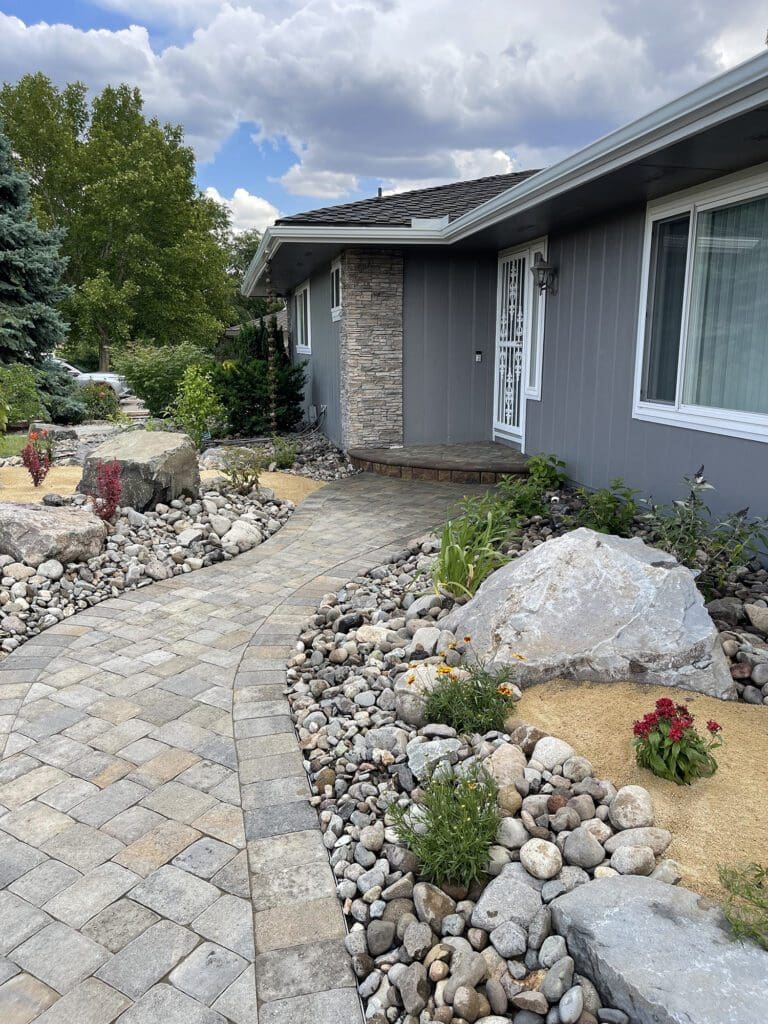
Hardscaping plays a crucial role in transforming small yards into functional outdoor spaces. Features like pathways, retaining walls, or patios provide structure while enhancing usability. In Reno’s climate, materials such as stone or permeable pavers work particularly well as they withstand extreme temperatures and require minimal upkeep.A gravel path leading to different zones within the yard can create visual flow while adding texture to the design. Retaining walls are especially useful for sloped yards as they create leveled areas that maximize usable space. Additionally, incorporating built-in seating around fire pits or along garden edges saves space while providing practical solutions for entertaining guests.Hardscaping elements not only improve functionality but also add timeless appeal to your landscape design. Their durability ensures that your yard remains beautiful and low-maintenance for years to come.
Homeowners in Reno often face unique challenges when it comes to landscaping small yards: limited space, water restrictions, and harsh weather conditions all require careful planning. By focusing on creative solutions like vertical gardening, functional zoning, sustainable plant choices, focal points, and hardscaping elements, even the smallest yards can become stunning outdoor retreats.Little City Landscape specializes in creating story-driven designs that prioritize both aesthetics and functionality. Their expertise in residential landscaping ensures that every project reflects the homeowner's vision while addressing Reno's specific environmental needs.
If you’re ready to transform your small yard into a beautiful and functional outdoor space tailored to Reno’s unique climate, contact Little City Landscape today for a consultation. Their team of experts will guide you through every step of the process—from design to installation—ensuring your vision becomes reality.