
Planning a landscaping renovation in Reno takes more than picking out a few plants and hoping for the best. Northern Nevada's high desert climate brings real challenges: long stretches of summer heat, drought-prone soil, and winters that can stress plants not suited to the region. The good news is that a thoughtful plan built around smart irrigation, functional outdoor spaces, and honest maintenance expectations can make your yard work with the environment instead of against it. This guide walks through the key steps that help Reno homeowners create outdoor spaces they will genuinely use and enjoy for years.
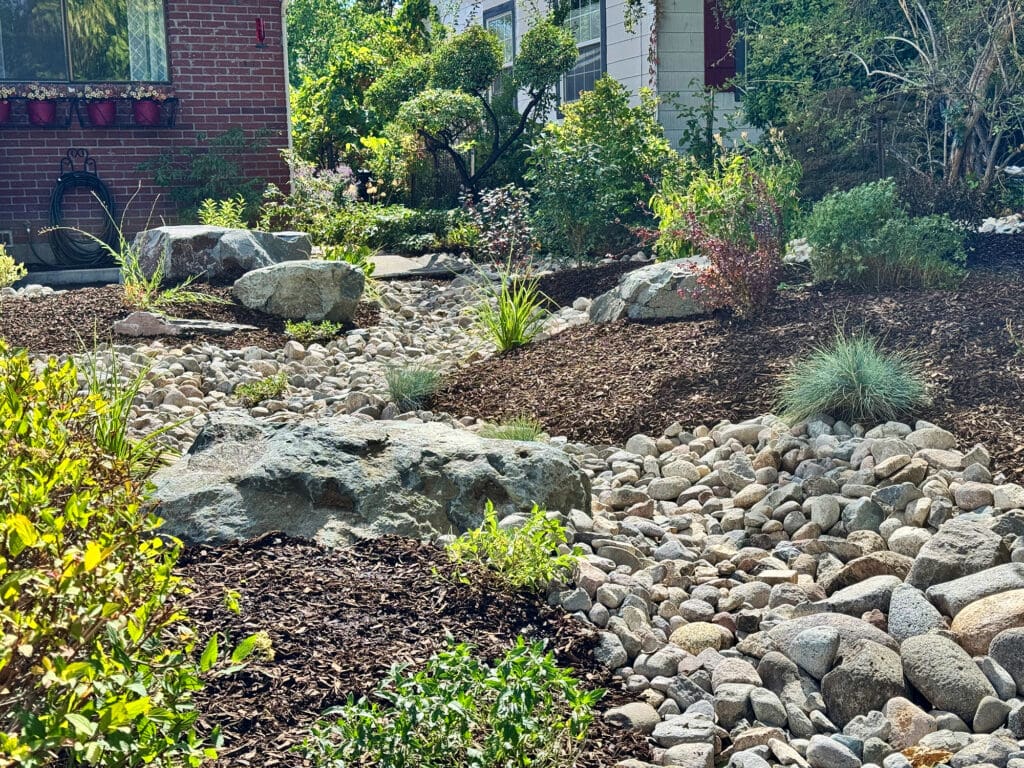
The first step in any landscaping reno project is a thorough site assessment of your own yard. Walk the space at different times of day to observe where sun hits, where shade falls, and how water moves across your property after a rain. Take note of slope, soil composition, and any existing plants or structures that could factor into your design. Understanding what you are starting with gives you a realistic foundation before any decisions about plants, hardscape, or irrigation systems get made. That kind of honest baseline saves money and prevents redesigns down the road.
Your personal goals matter just as much as your site conditions when mapping out a renovation. Think carefully about how you actually want to use your outdoor space before committing to a design direction. Do you want a shaded patio for summer evenings, a low-maintenance xeriscape in the front yard, or a naturalistic garden that draws birds and pollinators? Defining those goals early helps every downstream decision feel purposeful rather than reactive. A clear vision also makes it easier to phase your project so costs stay manageable without losing sight of the bigger picture.
Once you have a sense of your goals and site conditions, building a realistic budget becomes the next priority. Landscape professionals generally recommend setting aside an additional 10 to 15 percent beyond your core estimate for unexpected discoveries or material changes that come up during installation. Working with a full-service landscape company in Reno means hardscape, irrigation, planting, and design can be handled through a single coordinated process rather than managing several contractors separately. That kind of coordination reduces both cost overruns and timeline surprises, especially on more complex projects.
Native plants adapted to Northern Nevada's climate offer some of the most practical benefits for any landscaping reno project. They have evolved to handle Reno's rainfall patterns, temperature swings, and rocky, alkaline soils without needing constant intervention from you. Once established, native species typically require significantly less irrigation than non-native ornamentals, which directly reduces your water bill over time. They also support local pollinators, birds, and other wildlife in ways that imported plants often cannot match. Selecting natives is one of the most effective decisions you can make when sustainability and low maintenance are both priorities.
Grouping plants with similar irrigation needs is a foundational principle of efficient landscape design, and it pays off quickly. When plants with high water demands share a zone with drought-tolerant species, one group is always either overwatered or underwatered. Organizing your plant palette into hydrozones allows your irrigation system to deliver the right amount of water to each area without waste. This approach also simplifies your seasonal maintenance routine because you manage zones with consistent needs rather than tracking individual plants across the yard. A well-designed hydrozone layout works directly in tandem with drip irrigation to keep both your plants and your water usage in a healthy range.
Popular plant choices for Reno yards include species like Desert Sage, Penstemon, and low-water perennials that deliver color and texture with minimal ongoing care. Hardy shrubs and ornamental grasses provide structure through the winter months when other plants go dormant. Pairing groundcovers like Creeping Myoporum with taller accent plants creates a layered, naturalistic look that stays attractive across multiple seasons. The key is building a mix of species that complement each other visually while also sharing similar care requirements. A certified nurseryman or landscape designer familiar with Reno's USDA hardiness zones can help you build a plant list that will actually perform well in your specific yard.
Tree placement plays a significant role in the long-term character of your landscape, and Reno has specific regulations that govern where and how trees get planted. The city's Land Development Code requires one tree for every 300 square feet of front yard landscaping in nonresidential districts, and at least 50 percent of required trees must be evergreen species. Residential projects may have different thresholds, but understanding the applicable rules before finalizing your design prevents compliance issues after installation is complete. Consulting with a professional landscaper familiar with local code requirements helps you plan tree placement that meets both your aesthetic goals and city standards. Getting this right early avoids costly corrections later.
Choosing the right tree species for Reno's climate is just as important as meeting the numerical requirements. Some trees that look appealing at the nursery are poorly suited to the region's alkaline soils, extreme temperature swings, or limited water availability. Evergreen species that hold up through Reno winters while providing summer shade offer real functional value in addition to satisfying code requirements. Deciduous trees positioned on the south and west sides of a home can reduce cooling loads during summer while still allowing winter sun to reach the house after they drop their leaves. Matching species to site conditions from the start reduces the risk of losing trees to stress within the first few seasons.
Proper planting depth, soil amendment, and irrigation setup all influence how well newly planted trees establish in Reno's challenging soil. Most trees benefit from a generous watering basin and a dedicated drip irrigation emitter during the first two to three growing seasons after planting. Mulching around the base helps retain soil moisture, moderate soil temperature, and suppress weeds that compete with young root systems for nutrients. Avoiding deep planting mistakes at installation is critical because trees planted too deep often develop root rot or girdling roots over time. Getting the installation details right from the beginning costs far less than removing and replacing a struggling tree a few years later.
Not every landscaping project in Reno requires a permit, but significant changes involving hardscape, irrigation infrastructure, or structural additions often do. Skipping the permit research phase can result in costly corrections, delays, or fines that disrupt an otherwise smooth project timeline. The City of Reno's planning and building departments provide guidance on what triggers a permit requirement, and checking with them early in your process is always worth the time. Projects involving grading, drainage changes, or installations like pergolas or retaining elements are especially likely to fall under permit requirements. Starting that process early keeps your overall project timeline on track from the beginning.
Irrigation systems that connect to your home's main water supply may require inspections to verify backflow prevention and proper installation standards. These regulations exist to protect the municipal water supply from contamination that could result from a malfunctioning system. Working with a licensed and bonded landscaping contractor in Reno ensures your irrigation installation meets local code requirements and passes inspection without complications. Licensed contractors also carry the liability coverage necessary to protect your property during the entire installation process. Verifying contractor credentials before any work begins is a simple step that provides real protection for you as the homeowner.
Phasing your project with permits and inspections built into the timeline is a practical way to manage both compliance and budget without feeling overwhelmed. Many homeowners choose to install hardscape elements first, then move into planting and irrigation in a second phase once structural work passes inspection. This sequencing prevents the common mistake of planting in areas that later need to be disturbed for grading or drainage corrections. A professional landscape company familiar with Reno's permitting process can help you map out a phased plan that fits both your goals and your budget. Knowing the rules before you break ground eliminates one of the most avoidable sources of project stress.
A successful landscaping reno brings together site assessment, smart plant choices, tree planning, code compliance, and a realistic maintenance plan into one cohesive design. Each of the elements covered here builds on the others, and skipping any one of them tends to create problems that are harder to fix after installation than before it. Working through the planning process carefully, especially in a climate as demanding as Northern Nevada's, pays off in the form of a yard that stays healthy and attractive without constant intervention. The goal is a space that looks and functions just as well in year five as it does the week installation wraps up.
Little City Landscape has served Reno and Sparks homeowners for over 40 years, bringing design expertise, certified nursery knowledge, and a full range of services together under one team. From custom hardscape and paver work to irrigation installation, sustainable planting, and quarterly maintenance, the approach covers every phase of a landscaping project from first drawing to finished yard. Designer Kirk Barlow works with each homeowner to develop a plan that fits their property, their lifestyle, and the specific demands of Northern Nevada's climate. Reach out to Little City Landscape today at littlecitylandscapereno.com to schedule a consultation and get a packaged design and installation estimate tailored to your space.
You moved to Reno and started collecting yard ideas, and now you want your outdoor space to feel finished and livable. Many new homeowners arrive with California expectations, but Northern Nevada plays by different rules. Reno sits at high elevation in a high-desert climate, and that reality shapes every smart decision in your yard. Reno landscape design works best when it looks intentional, handles real winters and summers, and stays efficient without looking dry.
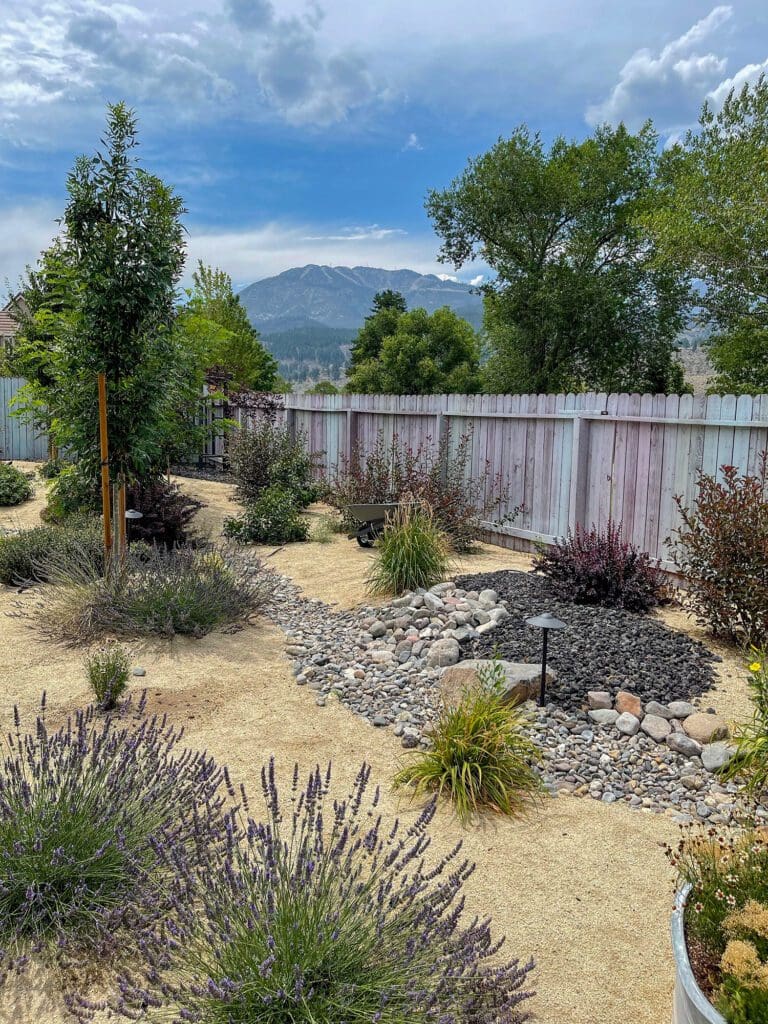
Reno landscape design starts with performance because the environment tests everything you install. You deal with temperature swings, intense UV, wind, and freeze-thaw cycles that expose weak materials and rushed workmanship. Clay pockets and compacted sub-grade can trap water, and that water shows up later as settling, heaving, and cracking. A climate-aware plan manages drainage from day one so your hardscape and planting areas stay stable. You protect your investment when you treat grading, base prep, and materials as the foundation of the entire project.
Low maintenance does not mean a bare yard, and it definitely does not mean a yard with no personality. You can achieve a clean, layered look with a design that respects how you actually live and how much time you want to spend on upkeep. Perennials and shrubs that suit alkaline soils can hold their structure through shoulder seasons and stay present in winter. Proper spacing and hydro-zoning reduce stress on plants and keep irrigation efficient without sacrificing curb appeal. A well-composed yard keeps its shape year-round, which matters when you want your home to look cared for even in January.
Resale value often follows the same principles as livability, especially in Reno’s long-term housing market. Buyers notice solid hardscape edges, stable steps, and planting beds that look planned instead of patched together. They also notice drainage that directs runoff away from foundations and walkways, because those details signal thoughtful construction. Seasonal structure matters here, so evergreens, stonework, and layered forms carry the yard when flowers fade. Little City Landscape designs with these realities in mind, which helps you avoid the cycle of constant fixes and replacements.
A lush California backyard often relies on consistent moisture, milder winters, and soils that behave differently than what you find in Reno and Sparks. You can force that look for a while, but the water use, plant stress, and maintenance demands usually show up quickly. High desert sun pushes evapotranspiration, and intense UV can scorch plantings that look effortless near the coast. Winter brings freeze events that challenge tender plants and shallow-rooted selections. Reno landscape design stays attractive by choosing forms and textures that look good without fighting the climate every week.
Your soil conditions also change the game, especially if you expect the same performance you saw in a different region. Alkaline soils can limit nutrient uptake, and some popular “lush” plants struggle no matter how much attention they get. Clay pockets can hold water around roots and create decline that looks like a mystery until you understand the soil profile. Wind and reflected heat from walls and hardscape can dry out sensitive plantings even when irrigation runs regularly. A Reno-focused plan anticipates these factors and builds a palette that thrives, not just survives.
The goal is not to give up on beauty, because Reno offers a different kind of lush that fits the setting. You can create fullness through layered planting beds, varied leaf textures, and strategic shade without depending on thirsty, fragile choices. You can also use boulders, natural stone, and hardscape elements to provide visual weight so the landscape never feels empty. When a design balances plant structure and hardscape, your yard looks composed in every season, not just during peak bloom. Little City Landscape helps you translate inspiration into a Reno-appropriate design that still feels rich and welcoming.
Wildfire risk changes how you plan outdoor spaces in Northern Nevada, and smart design treats that risk as part of the brief. Fire-smart does not mean you settle for a gravel-only yard or a sterile look that feels unfinished. You protect the home with defensible space that uses distance, plant choice, and careful layout to reduce ignition potential. Hardscape can work as a protective buffer when it surrounds key zones near the home and separates planting areas. Reno landscape design looks better and performs better when you plan for safety without stripping away comfort.
Plant spacing and selection play a major role, and professionals treat those choices as a system, not a random plant list. You want plants that fit Reno’s climate, hold up in sun and wind, and avoid excessive dead material that builds fuel over time. You also want irrigation that supports plant health without creating overgrowth, because stressed plants and neglected beds can become risky faster than you expect. Proper setbacks and breaks between planting masses reduce continuity, which helps slow the spread of fire if embers land nearby. A designer-led plan can keep the yard visually full while still supporting a defensible layout.
Hardscape adds more than style in this context, because it can create the separation that makes the rest of the landscape safer. Stone patios, walkways, and retaining elements can act as noncombustible zones that interrupt fuel paths. Lighting and access routes also matter, because you need a yard that stays usable and easy to navigate during all seasons. Drainage still matters here, since runoff and erosion can expose roots and destabilize slopes, which creates maintenance issues and safety concerns. Little City Landscape understands how fire-smart planning and Reno conditions intersect, which helps you avoid designs that look good online but fail in real life.
High Desert Planning Requires Short-Term and Long-Term Thinking From Little City Landscape
You feel the difference between a yard that looks good on install day and a yard that still looks good five years later. High desert conditions reward thoughtful material choices, proper base preparation, and build techniques that handle freeze-thaw, soil movement, and intense sun. Drainage planning needs to account for snow-melt, summer storms, and the way clay pockets can shift water across a property. Irrigation design needs to reflect hydro-zones, exposure, and seasonal schedules so plants stay healthy without wasting water. Reno landscape design succeeds when every layer works together, from soil prep to hardscape to planting.
Material selection also matters more here than most newcomers expect, because Reno’s environment can accelerate wear. UV and temperature swings can fade or degrade surfaces that look fine in milder climates. Poor compaction under patios and walkways can settle unevenly and create trip points, especially after a winter cycle. Retaining work and steps need correct reinforcement, drainage behind walls, and stable footings to avoid movement. An experienced Reno contractor brings proven methods to these details, so you don’t pay twice for the same yard.
You also benefit from a team that knows the local patterns, from wind corridors to exposure differences across neighborhoods in Reno and Sparks. Micro-climates can change plant performance dramatically, especially near reflective walls, shaded side yards, or south-facing slopes. A contractor who regularly works in the region can spot those issues early and design around them with appropriate plant palettes and layout decisions. That experience also supports smarter scheduling, because Reno’s seasons affect when planting and certain construction steps perform best. Little City Landscape applies local knowledge in a way that keeps the finished design aligned with your lifestyle and the realities of the site.
You moved to Reno for a reason, and your yard should reflect the place you chose without forcing a California template onto a high-desert home. Reno landscape design looks best when it prioritizes durability, drainage, low maintenance, year-round structure, and safety while still delivering a polished outdoor experience. You get better results when an experienced team guides materials, layout, irrigation strategy, and fire-smart planning as one integrated design. Little City Landscape brings that Reno-specific approach, which helps you avoid costly mismatches between inspiration and climate. Take your next step by reviewing the project creations on the Little City Landscape website, then reach out to discuss a design that fits your property and your long-term plans.