You probably landed on this page because your yard feels a little tired, or your outdoor space still runs on an old slab that never matched your life. Reno has a way of making people want to get outside more, host more, and build spaces that feel personal. When I reviewed the kind of hardscape reno work Little City Landscape puts together, the big difference was the design mindset. You get a yard that feels like Reno, not a generic template that could sit in any city.
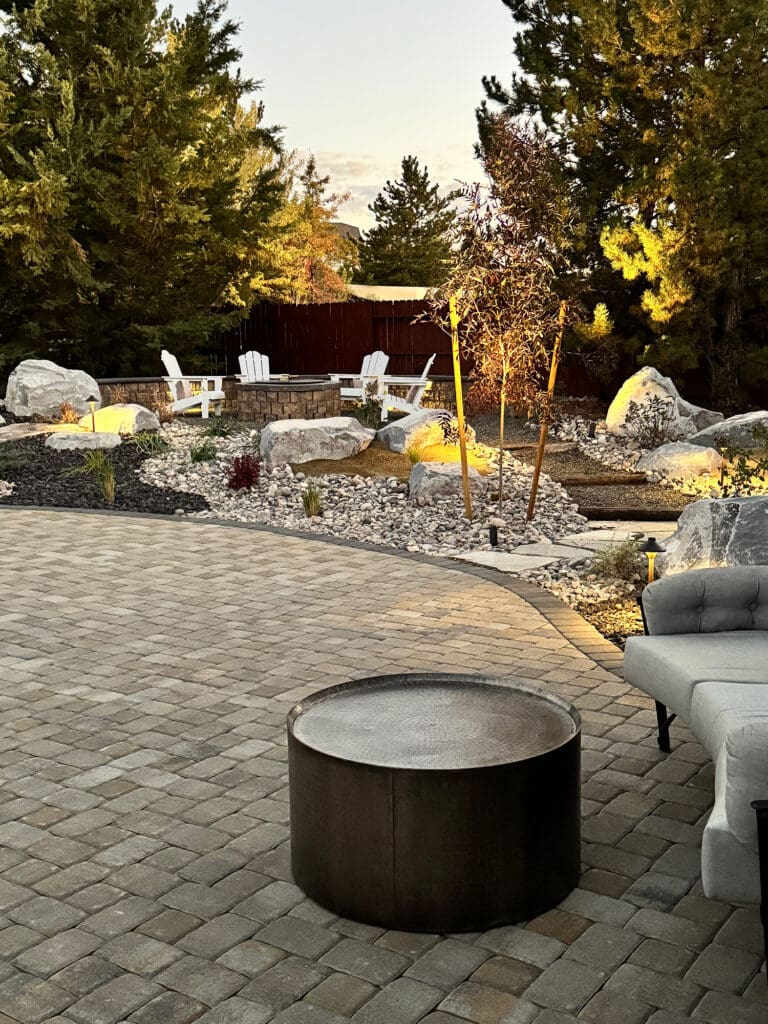
Reno gives you permission to mix textures, shapes, and a little desert art without making it feel forced. You can pull ideas from murals, festival builds, and the way locals blend grit with comfort. Instead of copying a showroom look, you can borrow Reno’s playful geometry and translate it into walkways, patios, and seating areas. Little City Landscape approaches that translation like a reviewer would hope a true designer does, with a plan that fits your home and your habits. You end up with a hardscape reno concept that feels local, not trendy.
You can start with Tahoe-inspired natural stone to keep things grounded and timeless. Stone steps, boulder accents, and warm-toned rock features pair well with the high-desert setting. Then you can layer in geometric patterns through paver layouts, inlay bands, or repeating shapes that guide the eye. Those patterns can nod to Burning Man creativity without turning your yard into a theme park. The result feels artistic, but you still live in it every day.
Lighting matters more than most people expect, especially when you want the yard to feel like an entertainment hub. Low-voltage hardscape lighting can outline paths, highlight stone textures, and make gatherings feel easier after sunset. You can build light into seat walls, steps, and planter edges so the glow feels integrated instead of tacked on. When you work with Little City Landscape, you get a lighting plan that supports the design rather than fighting it. That’s the point where inspiration turns into a hardscape reno you actually want to use.
A good hardscape does more than fill space, because it sets the tone for how you spend time outside. You might love long dinners, casual drinks with friends, or quiet mornings with coffee and a book. Your layout should reflect that, with zones that make sense and pathways that feel natural. I noticed Little City Landscape tends to ask the right questions so the design follows your routines. That approach helps your hardscape reno feel like an extension of your home, not a separate project.
Seating can carry a lot of your story without shouting for attention. A curved seat wall encourages conversation and keeps the space feeling welcoming. A small raised terrace can create a “front row” for sunsets or weekend hangouts. You can tuck in a fire feature that fits Reno nights, and you can choose options that keep smoke low and comfort high. Those details make the hardscape feel lived-in, not staged.
Hidden tech can make your outdoor space feel effortless when you host. You can build in discreet outlets for lighting, music, or a small outdoor fridge setup. You can plan for speakers that blend into planting areas instead of dominating the design. You can also create spots where a projector setup works without a mess of cords. Little City Landscape designs these elements as part of the hardscape reno from the start, which helps you avoid awkward retrofits later.
Reno’s personality feels layered, and your hardscape can match that with shape and movement. A simple square pad usually leaves your yard feeling flat, even if you add furniture. You can create a more dynamic space with angled edges, curved transitions, and terraces that follow the natural flow of your property. When I looked at Little City Landscape projects, the boldness came from layout choices, not flashy materials. That’s a smart way to keep your hardscape reno expressive while still practical.
Breaking a space into levels can add interest and function at the same time. A lower lounge zone can feel cozy and protected from wind. A slightly raised dining zone can give you better views and clearer circulation. Steps and landings also give you opportunities for integrated lighting and stone detailing. These moves make the yard feel designed, not just resurfaced.
Geometric patterns can bring that Reno edge without drifting into sterile design. Think repeating lines, directional changes, and inlays that guide guests toward gathering zones. You can use contrasting stone tones or texture changes to define areas instead of relying on tall dividers. This approach keeps the yard open and social while still organized. Little City Landscape uses pattern as a tool to shape experience, which is exactly what you want in a hardscape reno.
Bolder hardscapes also help you solve common Reno yard issues in a natural way. You can steer drainage with subtle grading and intentional channeling around stone features. You can create walkways that stay comfortable underfoot even when the summer sun hits hard. You can shape spaces to block harsh winds without making the yard feel closed in. Those practical choices support long-term living, which matters if you plan to stay in Reno for years.
Reno homeowners often want something personal, but they also want it to feel like it belongs here. The high desert has its own palette, textures, and weather patterns, and your hardscape should respect that. You can blend artistic desert flair with Tahoe-inspired stone so the yard feels balanced and regional. I’ve seen plenty of hardscapes that ignore the setting and end up feeling disconnected. Little City Landscape leans into the local feel, which helps your hardscape reno land in the right place.
You can create an entertainment hub that still feels relaxed and natural. A stone gathering circle encourages people to linger without forcing a formal arrangement. A built-in prep ledge or serving surface can keep food and drinks organized during get-togethers. You can add subtle lighting that keeps the mood comfortable while still making the space safe to move around. Those choices bring Reno’s social energy into your backyard in a way you can maintain.
Art can show up in small, intentional ways that still feel bold. You can use a sculptural boulder placement, a patterned landing, or a feature wall that plays with texture and shadow. You can also create pockets for rotating decor, planters, or locally inspired pieces that change over time. That flexibility lets your yard evolve without tearing everything out. A designer-led hardscape reno gives you a strong base that still leaves room for creativity.
The best part of leaning into Reno’s spirit is that you stop chasing a one-size-fits-all look. You start building something that reflects your taste, your gatherings, and the way you enjoy Northern Nevada. If you want more than a quick knock-out job, you need a team that designs before they build and builds with intention. Little City Landscape fits that role, based on what I’ve reviewed in their approach and results. Your next step can stay simple: collect a few ideas you love, then contact Little City Landscape to schedule a design consultation and turn those ideas into a hardscape reno plan that feels like you.
You moved to Reno and started collecting yard ideas, and now you want your outdoor space to feel finished and livable. Many new homeowners arrive with California expectations, but Northern Nevada plays by different rules. Reno sits at high elevation in a high-desert climate, and that reality shapes every smart decision in your yard. Reno landscape design works best when it looks intentional, handles real winters and summers, and stays efficient without looking dry.
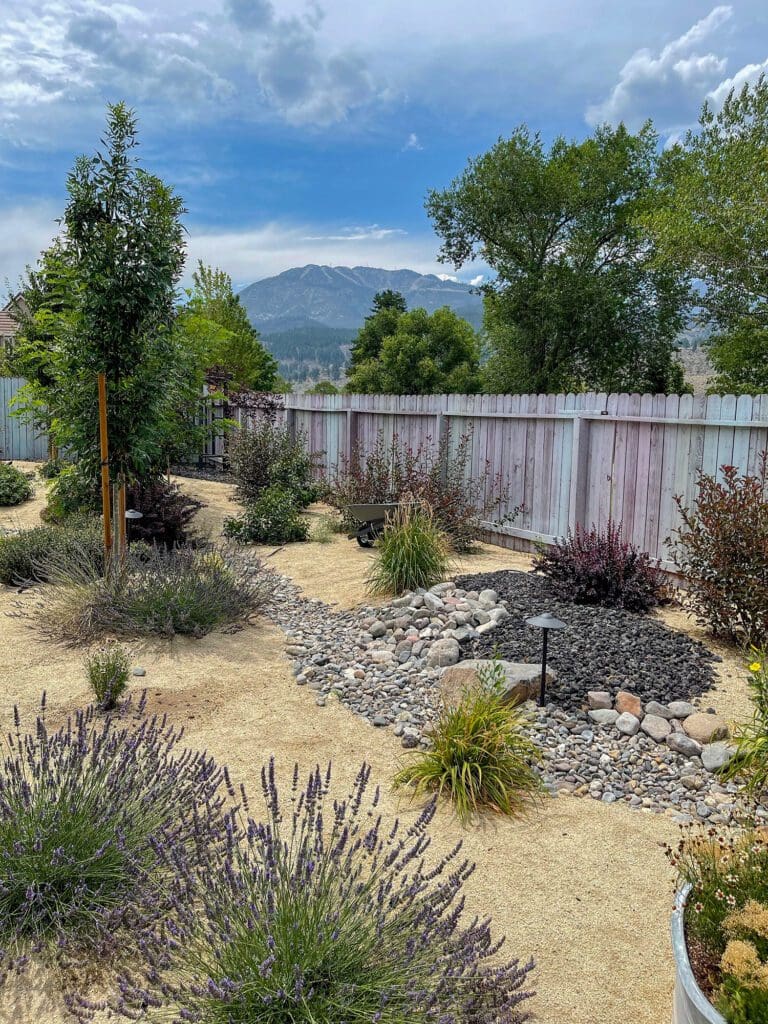
Reno landscape design starts with performance because the environment tests everything you install. You deal with temperature swings, intense UV, wind, and freeze-thaw cycles that expose weak materials and rushed workmanship. Clay pockets and compacted sub-grade can trap water, and that water shows up later as settling, heaving, and cracking. A climate-aware plan manages drainage from day one so your hardscape and planting areas stay stable. You protect your investment when you treat grading, base prep, and materials as the foundation of the entire project.
Low maintenance does not mean a bare yard, and it definitely does not mean a yard with no personality. You can achieve a clean, layered look with a design that respects how you actually live and how much time you want to spend on upkeep. Perennials and shrubs that suit alkaline soils can hold their structure through shoulder seasons and stay present in winter. Proper spacing and hydro-zoning reduce stress on plants and keep irrigation efficient without sacrificing curb appeal. A well-composed yard keeps its shape year-round, which matters when you want your home to look cared for even in January.
Resale value often follows the same principles as livability, especially in Reno’s long-term housing market. Buyers notice solid hardscape edges, stable steps, and planting beds that look planned instead of patched together. They also notice drainage that directs runoff away from foundations and walkways, because those details signal thoughtful construction. Seasonal structure matters here, so evergreens, stonework, and layered forms carry the yard when flowers fade. Little City Landscape designs with these realities in mind, which helps you avoid the cycle of constant fixes and replacements.
A lush California backyard often relies on consistent moisture, milder winters, and soils that behave differently than what you find in Reno and Sparks. You can force that look for a while, but the water use, plant stress, and maintenance demands usually show up quickly. High desert sun pushes evapotranspiration, and intense UV can scorch plantings that look effortless near the coast. Winter brings freeze events that challenge tender plants and shallow-rooted selections. Reno landscape design stays attractive by choosing forms and textures that look good without fighting the climate every week.
Your soil conditions also change the game, especially if you expect the same performance you saw in a different region. Alkaline soils can limit nutrient uptake, and some popular “lush” plants struggle no matter how much attention they get. Clay pockets can hold water around roots and create decline that looks like a mystery until you understand the soil profile. Wind and reflected heat from walls and hardscape can dry out sensitive plantings even when irrigation runs regularly. A Reno-focused plan anticipates these factors and builds a palette that thrives, not just survives.
The goal is not to give up on beauty, because Reno offers a different kind of lush that fits the setting. You can create fullness through layered planting beds, varied leaf textures, and strategic shade without depending on thirsty, fragile choices. You can also use boulders, natural stone, and hardscape elements to provide visual weight so the landscape never feels empty. When a design balances plant structure and hardscape, your yard looks composed in every season, not just during peak bloom. Little City Landscape helps you translate inspiration into a Reno-appropriate design that still feels rich and welcoming.
Wildfire risk changes how you plan outdoor spaces in Northern Nevada, and smart design treats that risk as part of the brief. Fire-smart does not mean you settle for a gravel-only yard or a sterile look that feels unfinished. You protect the home with defensible space that uses distance, plant choice, and careful layout to reduce ignition potential. Hardscape can work as a protective buffer when it surrounds key zones near the home and separates planting areas. Reno landscape design looks better and performs better when you plan for safety without stripping away comfort.
Plant spacing and selection play a major role, and professionals treat those choices as a system, not a random plant list. You want plants that fit Reno’s climate, hold up in sun and wind, and avoid excessive dead material that builds fuel over time. You also want irrigation that supports plant health without creating overgrowth, because stressed plants and neglected beds can become risky faster than you expect. Proper setbacks and breaks between planting masses reduce continuity, which helps slow the spread of fire if embers land nearby. A designer-led plan can keep the yard visually full while still supporting a defensible layout.
Hardscape adds more than style in this context, because it can create the separation that makes the rest of the landscape safer. Stone patios, walkways, and retaining elements can act as noncombustible zones that interrupt fuel paths. Lighting and access routes also matter, because you need a yard that stays usable and easy to navigate during all seasons. Drainage still matters here, since runoff and erosion can expose roots and destabilize slopes, which creates maintenance issues and safety concerns. Little City Landscape understands how fire-smart planning and Reno conditions intersect, which helps you avoid designs that look good online but fail in real life.
High Desert Planning Requires Short-Term and Long-Term Thinking From Little City Landscape
You feel the difference between a yard that looks good on install day and a yard that still looks good five years later. High desert conditions reward thoughtful material choices, proper base preparation, and build techniques that handle freeze-thaw, soil movement, and intense sun. Drainage planning needs to account for snow-melt, summer storms, and the way clay pockets can shift water across a property. Irrigation design needs to reflect hydro-zones, exposure, and seasonal schedules so plants stay healthy without wasting water. Reno landscape design succeeds when every layer works together, from soil prep to hardscape to planting.
Material selection also matters more here than most newcomers expect, because Reno’s environment can accelerate wear. UV and temperature swings can fade or degrade surfaces that look fine in milder climates. Poor compaction under patios and walkways can settle unevenly and create trip points, especially after a winter cycle. Retaining work and steps need correct reinforcement, drainage behind walls, and stable footings to avoid movement. An experienced Reno contractor brings proven methods to these details, so you don’t pay twice for the same yard.
You also benefit from a team that knows the local patterns, from wind corridors to exposure differences across neighborhoods in Reno and Sparks. Micro-climates can change plant performance dramatically, especially near reflective walls, shaded side yards, or south-facing slopes. A contractor who regularly works in the region can spot those issues early and design around them with appropriate plant palettes and layout decisions. That experience also supports smarter scheduling, because Reno’s seasons affect when planting and certain construction steps perform best. Little City Landscape applies local knowledge in a way that keeps the finished design aligned with your lifestyle and the realities of the site.
You moved to Reno for a reason, and your yard should reflect the place you chose without forcing a California template onto a high-desert home. Reno landscape design looks best when it prioritizes durability, drainage, low maintenance, year-round structure, and safety while still delivering a polished outdoor experience. You get better results when an experienced team guides materials, layout, irrigation strategy, and fire-smart planning as one integrated design. Little City Landscape brings that Reno-specific approach, which helps you avoid costly mismatches between inspiration and climate. Take your next step by reviewing the project creations on the Little City Landscape website, then reach out to discuss a design that fits your property and your long-term plans.
In Reno, small yards are a common challenge for homeowners looking to create beautiful and functional outdoor spaces. Limited square footage, combined with the region's arid climate, requires thoughtful planning and creative solutions. With the right approach, even the smallest yards can be transformed into stunning landscapes that maximize usability and reflect personal style. This blog explores practical ideas tailored to Reno’s unique environment, helping homeowners envision how their outdoor spaces can be reimagined.
When space is limited, thinking vertically can open up new possibilities. Vertical gardens, trellises, and pergolas provide an excellent way to add greenery without taking up ground space. These features not only enhance the visual appeal of a yard but also create depth and dimension, making the area feel larger than it is.Vertical gardens are particularly versatile. They can be used to grow herbs, flowers, or even vegetables, offering both beauty and functionality. For example, a wall-mounted herb garden near an outdoor cooking area adds a practical touch while keeping the yard organized. Trellises adorned with climbing plants like jasmine or clematis can also serve as natural privacy screens, ideal for creating a cozy and secluded atmosphere.Pergolas are another fantastic option for small yards in Reno. These structures provide shade during hot summer months while supporting climbing plants that thrive in the local climate. Incorporating these vertical elements into your landscape design not only saves space but also adds character and charm to your yard.
Small yards benefit greatly from thoughtful organization. Dividing the space into distinct functional zones ensures that every square foot serves a purpose. For example, one area could be designated for dining with a small bistro set or compact outdoor table, while another might feature a cozy seating arrangement for relaxation.Hardscaping elements like paver patios or retaining walls can subtly define these zones without making the yard feel confined. Outdoor rugs or strategically placed planters are also effective tools for delineating spaces while maintaining an open and inviting atmosphere.Functional zoning allows homeowners to enjoy multiple activities in their yard without feeling cramped. Whether it’s hosting friends for an evening barbecue or simply unwinding with a book in a quiet corner, creating dedicated areas ensures the yard meets all of its users' needs.
Reno’s dry climate calls for landscaping choices that prioritize water efficiency and durability. Native plants are an excellent option as they are naturally adapted to the region’s conditions and require minimal maintenance. Incorporating drought-tolerant species like sagebrush, lavender, or creeping thyme can add vibrant color and texture to your landscape while conserving water.Native plants also support local wildlife by providing habitats for pollinators such as bees and butterflies. This not only enhances the ecological value of your yard but also creates a dynamic and lively outdoor space.Grouping plants with similar water needs is another sustainable practice that works well in small yards. By zoning plants based on their irrigation requirements, homeowners can reduce water waste and simplify maintenance. Adding mulch around plant beds further helps retain soil moisture and keeps roots cool during Reno’s hot summers.
A focal point is essential in small yard landscaping as it draws attention and creates a sense of purpose within the space. This could be anything from a compact fire pit surrounded by built-in seating to a striking water feature or statement tree.For example, a fire pit not only serves as a visual centerpiece but also provides functionality by creating a gathering spot for family and friends. Similarly, a small fountain adds soothing sounds and movement to the yard while promoting relaxation.When selecting a focal point, consider elements that complement Reno’s natural environment. A native tree like the Western Redbud offers seasonal interest with its vibrant pink blooms in spring and golden leaves in fall, making it an excellent choice for anchoring your design. By incorporating one standout feature, you can elevate the overall aesthetic of your yard while maintaining simplicity.
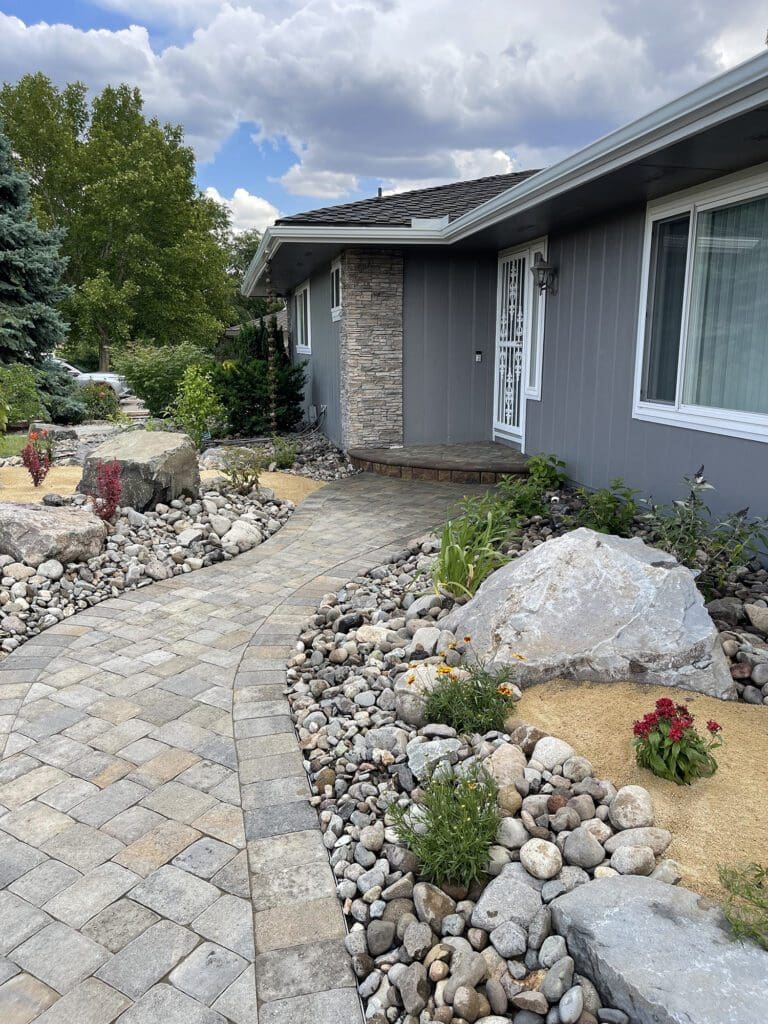
Hardscaping plays a crucial role in transforming small yards into functional outdoor spaces. Features like pathways, retaining walls, or patios provide structure while enhancing usability. In Reno’s climate, materials such as stone or permeable pavers work particularly well as they withstand extreme temperatures and require minimal upkeep.A gravel path leading to different zones within the yard can create visual flow while adding texture to the design. Retaining walls are especially useful for sloped yards as they create leveled areas that maximize usable space. Additionally, incorporating built-in seating around fire pits or along garden edges saves space while providing practical solutions for entertaining guests.Hardscaping elements not only improve functionality but also add timeless appeal to your landscape design. Their durability ensures that your yard remains beautiful and low-maintenance for years to come.
Homeowners in Reno often face unique challenges when it comes to landscaping small yards: limited space, water restrictions, and harsh weather conditions all require careful planning. By focusing on creative solutions like vertical gardening, functional zoning, sustainable plant choices, focal points, and hardscaping elements, even the smallest yards can become stunning outdoor retreats.Little City Landscape specializes in creating story-driven designs that prioritize both aesthetics and functionality. Their expertise in residential landscaping ensures that every project reflects the homeowner's vision while addressing Reno's specific environmental needs.
If you’re ready to transform your small yard into a beautiful and functional outdoor space tailored to Reno’s unique climate, contact Little City Landscape today for a consultation. Their team of experts will guide you through every step of the process—from design to installation—ensuring your vision becomes reality.